Buy pureaudio.eu ?
We are moving the project
pureaudio.eu .
Are you interested in purchasing the domain
pureaudio.eu ?
domain@kv-gmbh.de · 0541-91531010
Buy pureaudio.eu ?
Does it belong more to rhythm, melody, and harmony?
The concept of harmony is most closely related to the interaction of different notes and chords in music. Harmony refers to the simultaneous sounding of different pitches to create a pleasing sound. While rhythm and melody are also important elements in music, harmony specifically deals with the vertical aspect of music, focusing on how notes and chords interact with each other. Therefore, harmony belongs more to the realm of harmony itself. **
What is the difference between rhythm, melody, and harmony?
Rhythm refers to the pattern of sounds and silences in music, creating a sense of movement and pulse. Melody is the sequence of musical notes that are perceived as a single entity, often the most recognizable and memorable part of a song. Harmony involves the combination of different musical notes played or sung simultaneously, creating a pleasing sound. While rhythm provides the framework for the timing of music, melody is the main tune, and harmony adds depth and richness to the overall sound. **

Similar search terms for DNA
Top-Angebote
Products related to DNA:


-
Does dinosaur DNA cross with human DNA?
No, dinosaur DNA does not cross with human DNA. This is because dinosaurs and humans are from completely different evolutionary lineages and are separated by millions of years of evolution. Additionally, dinosaur DNA has not been found intact, as it degrades over time, making it impossible to cross with human DNA. Therefore, there is no scientific evidence to support the idea that dinosaur DNA can cross with human DNA. **
-
What can DNA companies do with my DNA?
DNA companies can use your DNA for a variety of purposes, including ancestry testing, genetic health risk assessments, and research. They may also share your genetic data with third-party partners for research and development purposes, as well as for law enforcement purposes in the case of criminal investigations. It's important to carefully review the privacy policies of DNA companies to understand how your genetic information may be used and shared. **
-
What is DNA, what is DNA made of, and what are the functions of DNA?
DNA, or deoxyribonucleic acid, is a molecule that carries the genetic instructions for the development, functioning, growth, and reproduction of all known living organisms and many viruses. DNA is made up of two long chains of nucleotides twisted into a double helix. Each nucleotide consists of a sugar, a phosphate group, and a nitrogenous base. The functions of DNA include storing and transmitting genetic information, providing the instructions for building and maintaining an organism, and allowing for the inheritance of traits from one generation to the next. **
-
What is DNA?
DNA, or deoxyribonucleic acid, is a molecule that contains the genetic instructions for the development, functioning, growth, and reproduction of all living organisms. It is composed of two strands that coil around each other to form a double helix structure. DNA carries the genetic information in the form of genes, which are segments of DNA that code for specific proteins or traits. This genetic material is passed down from parents to offspring and is responsible for the diversity and inheritance of traits in all living organisms. **


Who discovered DNA?
The discovery of DNA is attributed to multiple scientists, but the most famous discovery is often credited to James Watson and Francis Crick. In 1953, they proposed the double helix structure of DNA, which revolutionized our understanding of genetics. However, it's important to note that the understanding of DNA was built upon the work of many scientists, including Rosalind Franklin, Maurice Wilkins, and others who contributed to the discovery of DNA's structure. **
How does Bob Dylan handle melody, rhythm, and harmony in A Hard Rain's A-Gonna Fall?
In "A Hard Rain's A-Gonna Fall," Bob Dylan utilizes a haunting melody that adds to the sense of urgency and impending doom in the song. The rhythm is steady and driving, propelling the song forward and adding to its intensity. Harmonically, Dylan uses simple chord progressions that enhance the emotional impact of the lyrics. Overall, Dylan's handling of melody, rhythm, and harmony in this song creates a powerful and evocative listening experience. **
Top-Angebote
Products related to DNA:
-
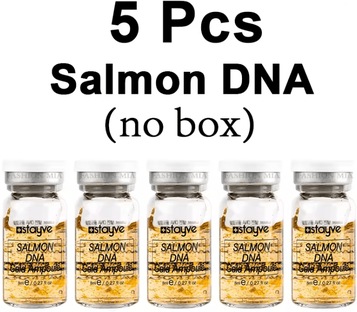
Inspire Essentials Stayve Salmon DNA Gold Ampoule BB Glow Starter Kit 5pcs (no Box)Transform your skincare routine with the Stayve Salmon DNA Gold Ampoule BB Glow Starter Kit, designed for individuals seeking radiant, firm, and youthfullooking skin. This nutrientrich salmon DNA ampoule harnesses PDRN extracted from salmon DNA...47,98 $*Shipping: 0,00 $Secure redirect to the provider
-
Does it belong more to rhythm, melody, and harmony?
The concept of harmony is most closely related to the interaction of different notes and chords in music. Harmony refers to the simultaneous sounding of different pitches to create a pleasing sound. While rhythm and melody are also important elements in music, harmony specifically deals with the vertical aspect of music, focusing on how notes and chords interact with each other. Therefore, harmony belongs more to the realm of harmony itself. **
-
What is the difference between rhythm, melody, and harmony?
Rhythm refers to the pattern of sounds and silences in music, creating a sense of movement and pulse. Melody is the sequence of musical notes that are perceived as a single entity, often the most recognizable and memorable part of a song. Harmony involves the combination of different musical notes played or sung simultaneously, creating a pleasing sound. While rhythm provides the framework for the timing of music, melody is the main tune, and harmony adds depth and richness to the overall sound. **
-
Does dinosaur DNA cross with human DNA?
No, dinosaur DNA does not cross with human DNA. This is because dinosaurs and humans are from completely different evolutionary lineages and are separated by millions of years of evolution. Additionally, dinosaur DNA has not been found intact, as it degrades over time, making it impossible to cross with human DNA. Therefore, there is no scientific evidence to support the idea that dinosaur DNA can cross with human DNA. **
-
What can DNA companies do with my DNA?
DNA companies can use your DNA for a variety of purposes, including ancestry testing, genetic health risk assessments, and research. They may also share your genetic data with third-party partners for research and development purposes, as well as for law enforcement purposes in the case of criminal investigations. It's important to carefully review the privacy policies of DNA companies to understand how your genetic information may be used and shared. **
Similar search terms for DNA
-
What is DNA, what is DNA made of, and what are the functions of DNA?
DNA, or deoxyribonucleic acid, is a molecule that carries the genetic instructions for the development, functioning, growth, and reproduction of all known living organisms and many viruses. DNA is made up of two long chains of nucleotides twisted into a double helix. Each nucleotide consists of a sugar, a phosphate group, and a nitrogenous base. The functions of DNA include storing and transmitting genetic information, providing the instructions for building and maintaining an organism, and allowing for the inheritance of traits from one generation to the next. **
-
What is DNA?
DNA, or deoxyribonucleic acid, is a molecule that contains the genetic instructions for the development, functioning, growth, and reproduction of all living organisms. It is composed of two strands that coil around each other to form a double helix structure. DNA carries the genetic information in the form of genes, which are segments of DNA that code for specific proteins or traits. This genetic material is passed down from parents to offspring and is responsible for the diversity and inheritance of traits in all living organisms. **
-
Who discovered DNA?
The discovery of DNA is attributed to multiple scientists, but the most famous discovery is often credited to James Watson and Francis Crick. In 1953, they proposed the double helix structure of DNA, which revolutionized our understanding of genetics. However, it's important to note that the understanding of DNA was built upon the work of many scientists, including Rosalind Franklin, Maurice Wilkins, and others who contributed to the discovery of DNA's structure. **
-
How does Bob Dylan handle melody, rhythm, and harmony in A Hard Rain's A-Gonna Fall?
In "A Hard Rain's A-Gonna Fall," Bob Dylan utilizes a haunting melody that adds to the sense of urgency and impending doom in the song. The rhythm is steady and driving, propelling the song forward and adding to its intensity. Harmonically, Dylan uses simple chord progressions that enhance the emotional impact of the lyrics. Overall, Dylan's handling of melody, rhythm, and harmony in this song creates a powerful and evocative listening experience. **
* All prices are inclusive of VAT and, if applicable, plus shipping costs. The offer information is based on the details provided by the respective shop and is updated through automated processes. Real-time updates do not occur, so deviations can occur in individual cases. ** Note: Parts of this content were created by AI.