Buy pureaudio.eu ?
We are moving the project
pureaudio.eu .
Are you interested in purchasing the domain
pureaudio.eu ?
domain@kv-gmbh.de · 0541-91531010
Buy pureaudio.eu ?
Does it belong more to rhythm, melody, and harmony?
The concept of harmony is most closely related to the interaction of different notes and chords in music. Harmony refers to the simultaneous sounding of different pitches to create a pleasing sound. While rhythm and melody are also important elements in music, harmony specifically deals with the vertical aspect of music, focusing on how notes and chords interact with each other. Therefore, harmony belongs more to the realm of harmony itself. **
What is the difference between rhythm, melody, and harmony?
Rhythm refers to the pattern of sounds and silences in music, creating a sense of movement and pulse. Melody is the sequence of musical notes that are perceived as a single entity, often the most recognizable and memorable part of a song. Harmony involves the combination of different musical notes played or sung simultaneously, creating a pleasing sound. While rhythm provides the framework for the timing of music, melody is the main tune, and harmony adds depth and richness to the overall sound. **


Similar search terms for Language
Top-Angebote
Products related to Language:
-
KC Cubs: Educational Rug: ABC Alphabet ASL Sign Language, 5x7' PlaymatKC CUBS 5X7 ABC ALPHABET ASL SIGN LANGUAGE RUG - Introduce your child to the world of American Sign Language (ASL) in the most colorful and engaging way with the KC Cubs ASL Alphabet Educational Rug.81,99 $*Shipping: 0,00 $Secure redirect to the provider
-
KC Cubs: Educational Rug: ABC Alphabet ASL Sign Language, 3x5' PlaymatKC CUBS 3X5 ABC ALPHABET ASL SIGN LANGUAGE RUG - Introduce your child to the world of American Sign Language (ASL) in the most colorful and engaging way with the KC Cubs ASL Alphabet Educational Rug.53,99 $*Shipping: 0,00 $Secure redirect to the provider
-
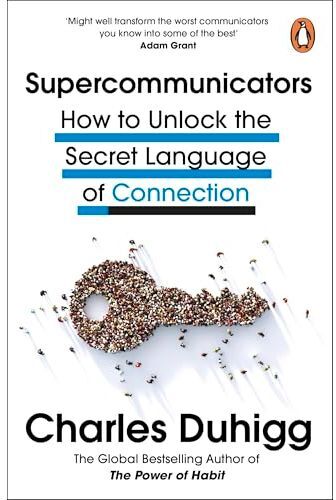
Penguin Supercommunicators: How to Unlock the Secret Language of Connection by Charles DuhiggWho and what are supercommunicators? They're the people who can steer a conversation to a successful conclusion. They are able to talk about difficult topics without giving offence. They know how to make others feel at ease and share what they think. They're brilliant facilitators and decision-guiders. How do they do it? In this groundbreaking new book, Charles Duhigg unravels the secrets of the supercommunicators to reveal the art – and the science – of successful communication. He unpicks the different types of everyday conversation and pinpoints why some go smoothly while others swiftly fall apart. He reveals the conversational questions and gambits that bring people together. And he shows how even the most tricky of encounters can be turned around. In the process, he shows why a CIA operative was able to win over a reluctant spy, how a member of a jury got his fellow jurors to view an open-and-shut case differently, and what a doctor found they needed to do to engage with a vaccine sceptic. Above all, he reveals the techniques we can all master to successfully connect with others, however tricky the circumstances. Packed with fascinating case studies and drawing on cutting-edge research, this book will change the way you think about what you say, and how you say it.9,99 £*Shipping: 2,99 £Secure redirect to the provider
-
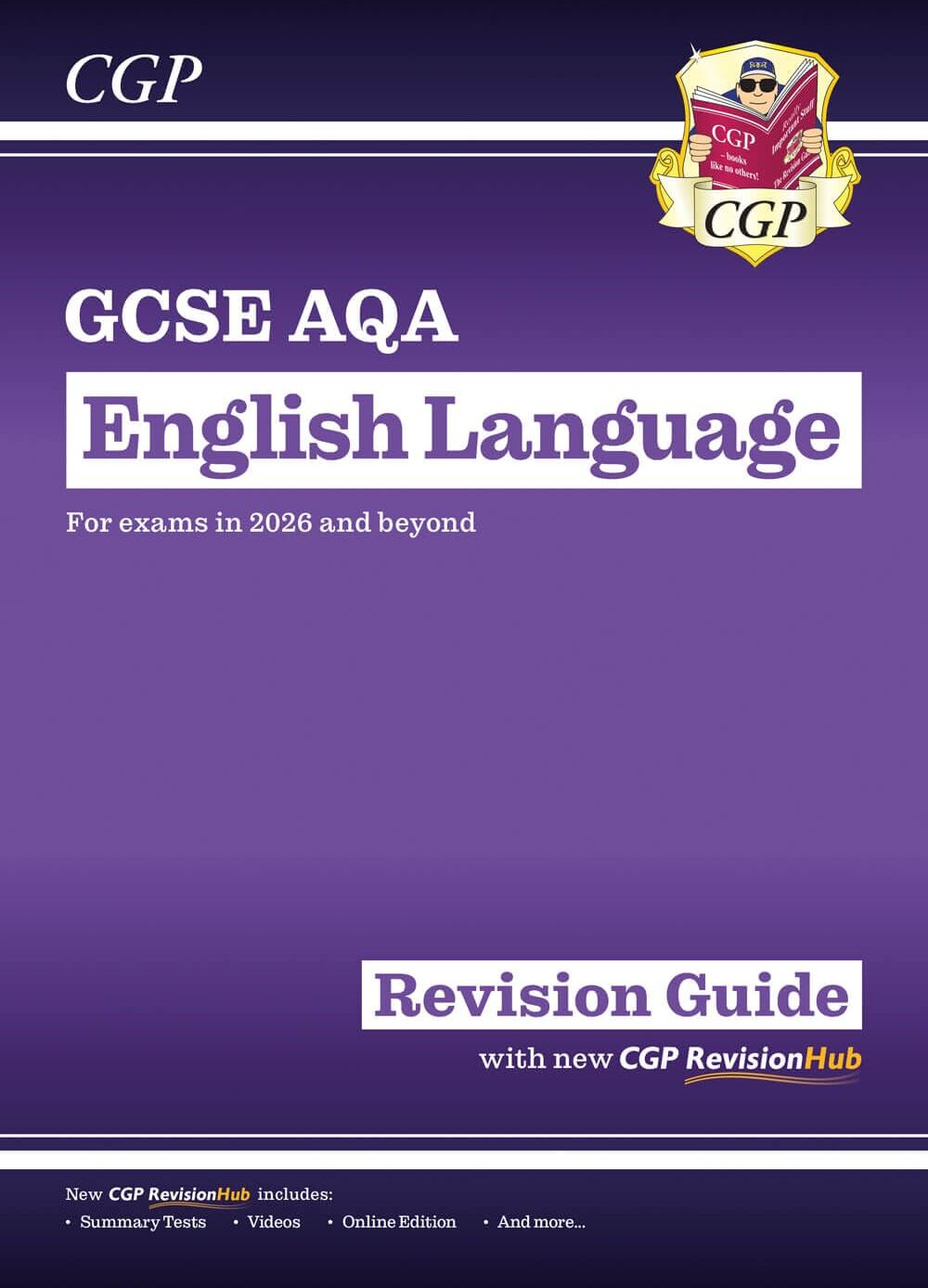
CGP Books CGP GCSE English Language AQA Revision Bundle – Revision Guide, Workbook & 10-Minute TestsCGP Books are simply the best for revision! This brilliant 3-book bundle is just the thing for AQA GCSE English Language. It has all the revision and practice kids need to feel totally prepared for the exams. GCSE English Language AQA Revision Guide with CGP RevisionHub (9781782943693) GCSE Spelling, Punctuation and Grammar 10-Minute Tests (9781837742035) GCSE English Language AQA Exam Practice Workbook — with Answers and Videos (9781782943709) GCSE English Language AQA Revision Guide with CGP RevisionHub This brilliant CGP Revision Guide is the perfect companion to GCSE English Language. It's matched to the latest AQA course and comes with online revision in CGP RevisionHub to use alongside your book! In the book, there are: Study notes and examples covering every reading and writing skill Practice questions for every topic, with answers at the back In-depth exam advice from CGP's revision experts In CGP RevisionHub, you'll find: Revision Summary Tests with challenging questions to see how well you know each section Exam Skills Videos explaining how to tackle each question type in the exams Graded Sample Answers for each paper, so you know what you're aiming for And an Online Edition of the entire book ― amazing! GCSE Spelling, Punctuation and Grammar 10-Minute Tests This splendid 10-Minute Tests book is packed with essential SPaG practice for GCSE. It contains 30 quick-fire tests (that’s five hours of practice in all), split into separate sections for Spelling, Punctuation and Grammar - plus a section of mixed practice to really put students' knowledge to the test. It’s also perfect for helping students scoop the full 5% of SPaG marks in their English Literature, History, Geography and Religious Studies exams! We’ve even included all the answers, because it’s never fun to be left guessing. GCSE English Language AQA Exam Practice Workbook — with Answers and Videos This Exam Practice Workbook is loaded with practice questions for the latest GCSE AQA English Language exams ― with detailed answers included at the back! Every reading and writing skill is covered, with plenty of sample texts throughout the book. And there's a full set of practice papers at the end to put your skills to the test. We've also added a section where you can mark sample answers to exam questions, and helpful video walkthroughs explaining how to answer each question type. It's perfect for getting to grips with the kinds of questions you'll have to answer in the exam.18,99 £*Shipping: 2,99 £Secure redirect to the provider


-
How does Bob Dylan handle melody, rhythm, and harmony in A Hard Rain's A-Gonna Fall?
In "A Hard Rain's A-Gonna Fall," Bob Dylan utilizes a haunting melody that adds to the sense of urgency and impending doom in the song. The rhythm is steady and driving, propelling the song forward and adding to its intensity. Harmonically, Dylan uses simple chord progressions that enhance the emotional impact of the lyrics. Overall, Dylan's handling of melody, rhythm, and harmony in this song creates a powerful and evocative listening experience. **
-
What is the difference between harmony and melody?
Harmony refers to the combination of different musical notes played or sung simultaneously to create a pleasing sound. It involves the use of chords and the relationship between different notes played together. On the other hand, melody is a sequence of single notes that are perceived as a single entity. It is the main theme or tune of a piece of music and is usually the most memorable part of a song. In summary, harmony involves the combination of notes played together, while melody is a sequence of single notes that form the main theme of a piece of music. **
-
How can one describe the rhythm and melody?
Rhythm refers to the pattern of sounds and silences in music, created by the arrangement of notes and beats. It is the element that gives music its sense of movement and flow. Melody, on the other hand, is the sequence of notes that are perceived as a single entity. It is the part of the music that is most easily remembered and sung. Together, rhythm and melody work in harmony to create the overall structure and feel of a musical piece. **
-
Does practicing melody and rhythm dictation actually help?
Yes, practicing melody and rhythm dictation can be very beneficial for musicians. It helps to improve ear training skills, allowing musicians to better recognize and reproduce musical patterns. This can enhance overall musicality, improvisation skills, and the ability to learn music by ear. Regular practice of melody and rhythm dictation can also improve a musician's ability to compose and arrange music. **

What is the difference between rhythm and melody?
Rhythm refers to the pattern of beats or time signature in music, creating a sense of movement and pulse. It is the framework that organizes the music and gives it a sense of structure. Melody, on the other hand, refers to the sequence of notes that are perceived as a single entity, creating a recognizable and memorable tune. It is the part of the music that is most easily sung or hummed and is often the most prominent and memorable aspect of a song. While rhythm provides the foundation and groove of the music, melody is the part that captures the listener's attention and creates a sense of emotion and expression. **
Is rhythm or melody more important to you?
As an AI language model, I don't have personal preferences, but I can provide an analysis. Both rhythm and melody are essential elements of music, and their importance can vary depending on the context and individual preferences. Rhythm provides the foundation and drive of a musical piece, while melody adds the emotional and expressive aspect. Some people may prioritize rhythm for its ability to make them move and feel the beat, while others may value melody for its ability to evoke emotions and create a memorable tune. Ultimately, the importance of rhythm or melody is subjective and can vary from person to person. **
Top-Angebote
Products related to Language:
-
Monika Blunder Beauty Body Language Botanical Oil 100mLA body oil for dull skin. Intense hydration: Almond, Rosehip, and Marula Oils quench dryness. Natural luminosity: Meadowfoam oil gives skin a dewy sheen. Antioxidant protection: Edelweiss Extract defends against free radicals. Soft, supple skin: Arnica maintains skin's softness and suppleness. Transform your skin with Body Language Oil —a luxurious blend of nourishing oils and potent antioxidants.54,73 £*Shipping: 7,11 £Secure redirect to the provider
-
Everyday Crate Smart Azan Prayer Clock With Hijri Calendar, Temperature Display & Dual Language Alarm Smart Azan Prayer Clock With Hijri Calendar, Temperature Display & Dual Language AlarmFeel confident knowing every prayer time is right at your fingertips. This Azan clock is designed for Muslims who want a simple, reliable way to stay connected to daily prayers while keeping track of time, date, and temperature. Featuring automatic...49,97 $*Shipping: 0,00 $Secure redirect to the provider
-
KC Cubs: Educational Rug: ABC Alphabet ASL Sign Language, 5x7' PlaymatKC CUBS 5X7 ABC ALPHABET ASL SIGN LANGUAGE RUG - Introduce your child to the world of American Sign Language (ASL) in the most colorful and engaging way with the KC Cubs ASL Alphabet Educational Rug.81,99 $*Shipping: 0,00 $Secure redirect to the provider
-
KC Cubs: Educational Rug: ABC Alphabet ASL Sign Language, 3x5' PlaymatKC CUBS 3X5 ABC ALPHABET ASL SIGN LANGUAGE RUG - Introduce your child to the world of American Sign Language (ASL) in the most colorful and engaging way with the KC Cubs ASL Alphabet Educational Rug.53,99 $*Shipping: 0,00 $Secure redirect to the provider
-
Does it belong more to rhythm, melody, and harmony?
The concept of harmony is most closely related to the interaction of different notes and chords in music. Harmony refers to the simultaneous sounding of different pitches to create a pleasing sound. While rhythm and melody are also important elements in music, harmony specifically deals with the vertical aspect of music, focusing on how notes and chords interact with each other. Therefore, harmony belongs more to the realm of harmony itself. **
-
What is the difference between rhythm, melody, and harmony?
Rhythm refers to the pattern of sounds and silences in music, creating a sense of movement and pulse. Melody is the sequence of musical notes that are perceived as a single entity, often the most recognizable and memorable part of a song. Harmony involves the combination of different musical notes played or sung simultaneously, creating a pleasing sound. While rhythm provides the framework for the timing of music, melody is the main tune, and harmony adds depth and richness to the overall sound. **
-
How does Bob Dylan handle melody, rhythm, and harmony in A Hard Rain's A-Gonna Fall?
In "A Hard Rain's A-Gonna Fall," Bob Dylan utilizes a haunting melody that adds to the sense of urgency and impending doom in the song. The rhythm is steady and driving, propelling the song forward and adding to its intensity. Harmonically, Dylan uses simple chord progressions that enhance the emotional impact of the lyrics. Overall, Dylan's handling of melody, rhythm, and harmony in this song creates a powerful and evocative listening experience. **
-
What is the difference between harmony and melody?
Harmony refers to the combination of different musical notes played or sung simultaneously to create a pleasing sound. It involves the use of chords and the relationship between different notes played together. On the other hand, melody is a sequence of single notes that are perceived as a single entity. It is the main theme or tune of a piece of music and is usually the most memorable part of a song. In summary, harmony involves the combination of notes played together, while melody is a sequence of single notes that form the main theme of a piece of music. **
Similar search terms for Language
-
Penguin Supercommunicators: How to Unlock the Secret Language of Connection by Charles DuhiggWho and what are supercommunicators? They're the people who can steer a conversation to a successful conclusion. They are able to talk about difficult topics without giving offence. They know how to make others feel at ease and share what they think. They're brilliant facilitators and decision-guiders. How do they do it? In this groundbreaking new book, Charles Duhigg unravels the secrets of the supercommunicators to reveal the art – and the science – of successful communication. He unpicks the different types of everyday conversation and pinpoints why some go smoothly while others swiftly fall apart. He reveals the conversational questions and gambits that bring people together. And he shows how even the most tricky of encounters can be turned around. In the process, he shows why a CIA operative was able to win over a reluctant spy, how a member of a jury got his fellow jurors to view an open-and-shut case differently, and what a doctor found they needed to do to engage with a vaccine sceptic. Above all, he reveals the techniques we can all master to successfully connect with others, however tricky the circumstances. Packed with fascinating case studies and drawing on cutting-edge research, this book will change the way you think about what you say, and how you say it.9,99 £*Shipping: 2,99 £Secure redirect to the provider
-
CGP Books CGP GCSE English Language AQA Revision Bundle – Revision Guide, Workbook & 10-Minute TestsCGP Books are simply the best for revision! This brilliant 3-book bundle is just the thing for AQA GCSE English Language. It has all the revision and practice kids need to feel totally prepared for the exams. GCSE English Language AQA Revision Guide with CGP RevisionHub (9781782943693) GCSE Spelling, Punctuation and Grammar 10-Minute Tests (9781837742035) GCSE English Language AQA Exam Practice Workbook — with Answers and Videos (9781782943709) GCSE English Language AQA Revision Guide with CGP RevisionHub This brilliant CGP Revision Guide is the perfect companion to GCSE English Language. It's matched to the latest AQA course and comes with online revision in CGP RevisionHub to use alongside your book! In the book, there are: Study notes and examples covering every reading and writing skill Practice questions for every topic, with answers at the back In-depth exam advice from CGP's revision experts In CGP RevisionHub, you'll find: Revision Summary Tests with challenging questions to see how well you know each section Exam Skills Videos explaining how to tackle each question type in the exams Graded Sample Answers for each paper, so you know what you're aiming for And an Online Edition of the entire book ― amazing! GCSE Spelling, Punctuation and Grammar 10-Minute Tests This splendid 10-Minute Tests book is packed with essential SPaG practice for GCSE. It contains 30 quick-fire tests (that’s five hours of practice in all), split into separate sections for Spelling, Punctuation and Grammar - plus a section of mixed practice to really put students' knowledge to the test. It’s also perfect for helping students scoop the full 5% of SPaG marks in their English Literature, History, Geography and Religious Studies exams! We’ve even included all the answers, because it’s never fun to be left guessing. GCSE English Language AQA Exam Practice Workbook — with Answers and Videos This Exam Practice Workbook is loaded with practice questions for the latest GCSE AQA English Language exams ― with detailed answers included at the back! Every reading and writing skill is covered, with plenty of sample texts throughout the book. And there's a full set of practice papers at the end to put your skills to the test. We've also added a section where you can mark sample answers to exam questions, and helpful video walkthroughs explaining how to answer each question type. It's perfect for getting to grips with the kinds of questions you'll have to answer in the exam.18,99 £*Shipping: 2,99 £Secure redirect to the provider
-
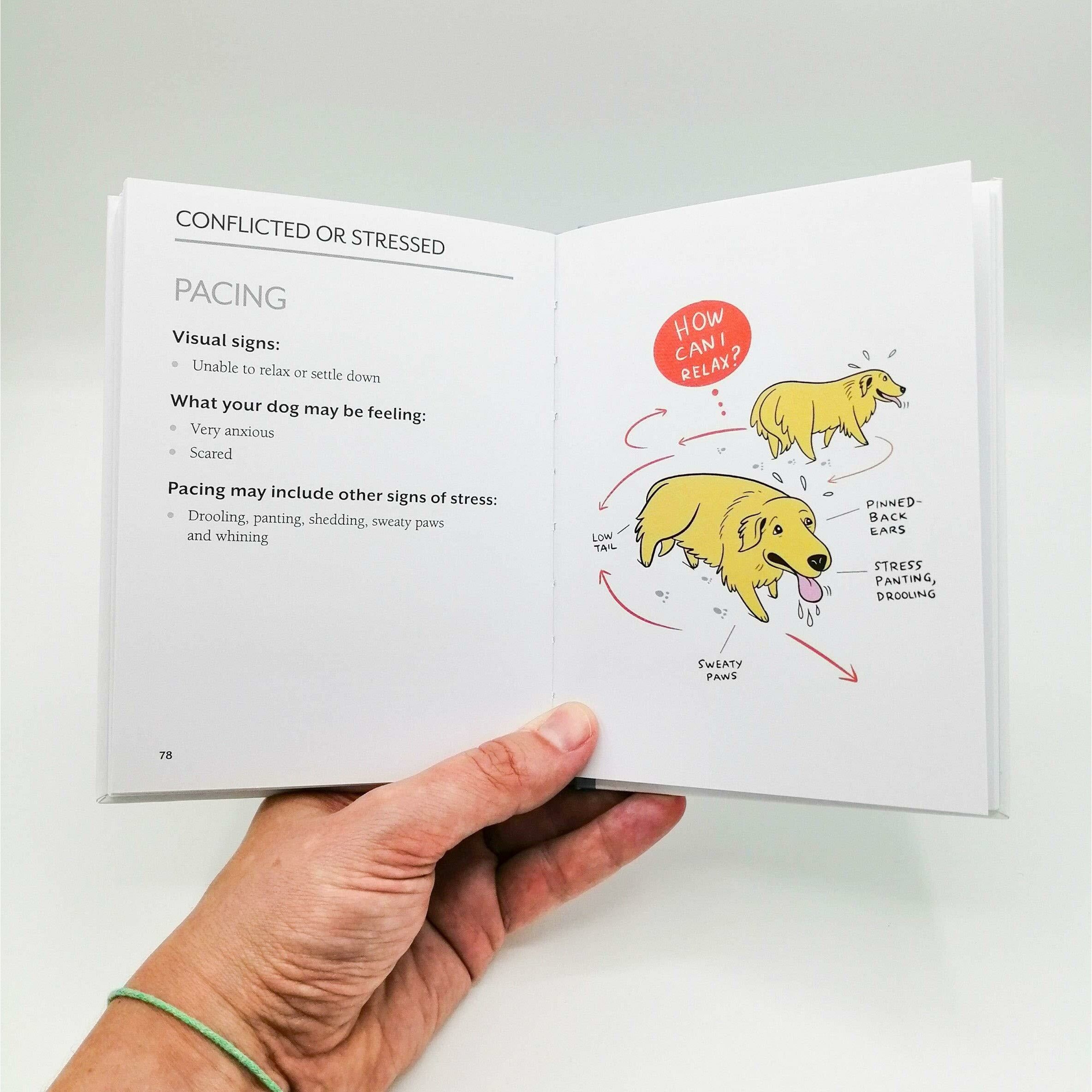
Summersdale Publishers Doggie Language: A Dog Lovers Guide to Understanding Your Best Friend by Lili ChinDogs communicate with so much more than barks and tail wags. Misreading doggie body language makes life challenging for dogs and their humans. This small but mighty book is your perfect illustrated guide to seeing and understanding the subtle visual cues and interpreting the behaviours used by your beloved pup to express how they’re feeling. The more we notice and listen to what our dogs are trying to tell us, the more we can improve our relationship with our best friends, helping them to feel safe and happy. Original illustrations help you compare similar facial expressions, body language and gestures Interpret your dog's cues and learn how your dog uses his ears, eyes, mouth, tail and posture to communicate with you Spot the signals your dog is trying to give you to tell you they're stressed or conflicted3,95 £*Shipping: 1,99 £Secure redirect to the provider
-
Vintage The Language of Kindness: the Costa-Award winning #1 Sunday Times Bestseller by Christie WatsonChristie Watson was a nurse for twenty years. Taking us from birth to death and from A&E to the mortuary, The Language of Kindness is an astounding account of a profession defined by acts of care, compassion and kindness. We watch Christie as she nurses a premature baby who has miraculously made it through the night, we stand by her side during her patient's agonising heart-lung transplant, and we hold our breath as she washes the hair of a child fatally injured in a fire, attempting to remove the toxic smell of smoke before the grieving family arrive. In our most extreme moments, when life is lived most intensely, Christie is with us. She is a guide, mentor and friend. And in these dark days of division and isolationism, she encourages us all to stretch out a hand.5,99 £*Shipping: 2,99 £Secure redirect to the provider
-
How can one describe the rhythm and melody?
Rhythm refers to the pattern of sounds and silences in music, created by the arrangement of notes and beats. It is the element that gives music its sense of movement and flow. Melody, on the other hand, is the sequence of notes that are perceived as a single entity. It is the part of the music that is most easily remembered and sung. Together, rhythm and melody work in harmony to create the overall structure and feel of a musical piece. **
-
Does practicing melody and rhythm dictation actually help?
Yes, practicing melody and rhythm dictation can be very beneficial for musicians. It helps to improve ear training skills, allowing musicians to better recognize and reproduce musical patterns. This can enhance overall musicality, improvisation skills, and the ability to learn music by ear. Regular practice of melody and rhythm dictation can also improve a musician's ability to compose and arrange music. **
-
What is the difference between rhythm and melody?
Rhythm refers to the pattern of beats or time signature in music, creating a sense of movement and pulse. It is the framework that organizes the music and gives it a sense of structure. Melody, on the other hand, refers to the sequence of notes that are perceived as a single entity, creating a recognizable and memorable tune. It is the part of the music that is most easily sung or hummed and is often the most prominent and memorable aspect of a song. While rhythm provides the foundation and groove of the music, melody is the part that captures the listener's attention and creates a sense of emotion and expression. **
-
Is rhythm or melody more important to you?
As an AI language model, I don't have personal preferences, but I can provide an analysis. Both rhythm and melody are essential elements of music, and their importance can vary depending on the context and individual preferences. Rhythm provides the foundation and drive of a musical piece, while melody adds the emotional and expressive aspect. Some people may prioritize rhythm for its ability to make them move and feel the beat, while others may value melody for its ability to evoke emotions and create a memorable tune. Ultimately, the importance of rhythm or melody is subjective and can vary from person to person. **
* All prices are inclusive of VAT and, if applicable, plus shipping costs. The offer information is based on the details provided by the respective shop and is updated through automated processes. Real-time updates do not occur, so deviations can occur in individual cases. ** Note: Parts of this content were created by AI.