Buy pureaudio.eu ?
We are moving the project
pureaudio.eu .
Are you interested in purchasing the domain
pureaudio.eu ?
domain@kv-gmbh.de · 0541-91531010
Buy pureaudio.eu ?
Does it belong more to rhythm, melody, and harmony?
The concept of harmony is most closely related to the interaction of different notes and chords in music. Harmony refers to the simultaneous sounding of different pitches to create a pleasing sound. While rhythm and melody are also important elements in music, harmony specifically deals with the vertical aspect of music, focusing on how notes and chords interact with each other. Therefore, harmony belongs more to the realm of harmony itself. **
What is the difference between rhythm, melody, and harmony?
Rhythm refers to the pattern of sounds and silences in music, creating a sense of movement and pulse. Melody is the sequence of musical notes that are perceived as a single entity, often the most recognizable and memorable part of a song. Harmony involves the combination of different musical notes played or sung simultaneously, creating a pleasing sound. While rhythm provides the framework for the timing of music, melody is the main tune, and harmony adds depth and richness to the overall sound. **


Similar search terms for Measure
Top-Angebote
Products related to Measure:

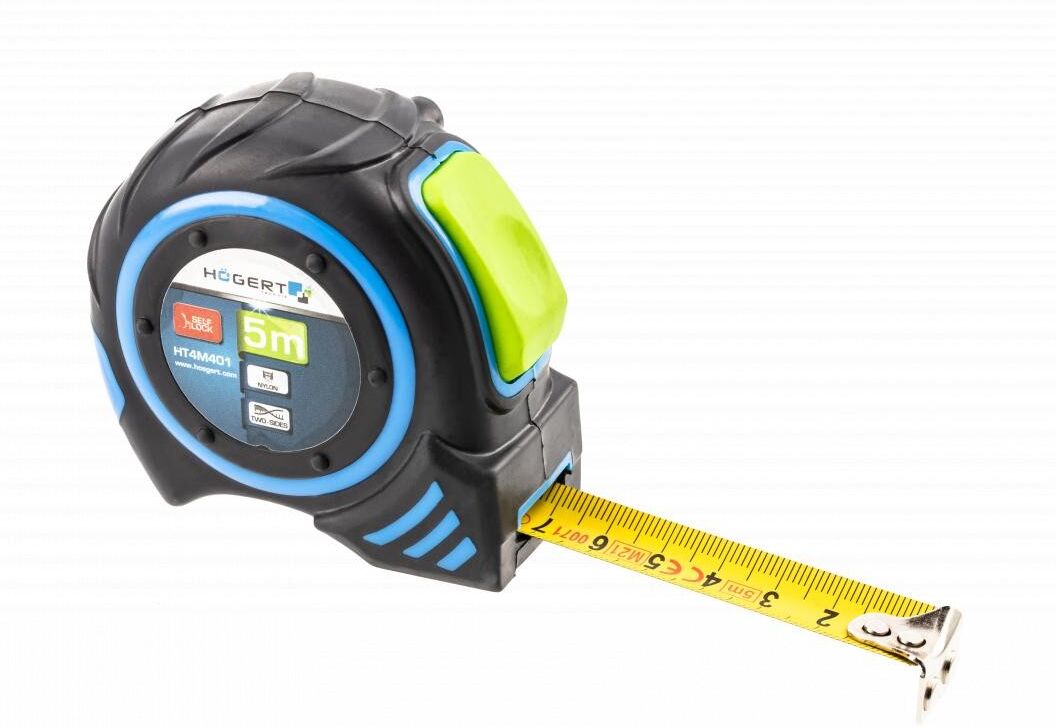


-
How do you measure resonance in a car?
Resonance in a car can be measured by observing the vibrations and noises produced by the vehicle while it is in motion. One common method is to listen for any unusual humming, buzzing, or rattling sounds that may indicate resonance. Additionally, feeling for vibrations in the steering wheel, pedals, or seats can also help identify resonance issues. Finally, using specialized equipment like accelerometers or vibration sensors can provide quantitative data on the levels of resonance present in the car. **
-
How do I measure a tape measure?
To measure with a tape measure, first locate the end of the tape and line it up with the starting point of the object you want to measure. Then, pull the tape measure along the object until you reach the end point. Take note of the measurement where the end of the object lines up with the tape measure. Make sure to read the measurement at eye level to ensure accuracy. If the tape measure has both imperial and metric units, be sure to use the correct units for your measurement. **
-
How does Bob Dylan handle melody, rhythm, and harmony in A Hard Rain's A-Gonna Fall?
In "A Hard Rain's A-Gonna Fall," Bob Dylan utilizes a haunting melody that adds to the sense of urgency and impending doom in the song. The rhythm is steady and driving, propelling the song forward and adding to its intensity. Harmonically, Dylan uses simple chord progressions that enhance the emotional impact of the lyrics. Overall, Dylan's handling of melody, rhythm, and harmony in this song creates a powerful and evocative listening experience. **
-
How do you measure with a tape measure?
To measure with a tape measure, first, ensure the tape measure is fully extended and the end is securely anchored at the starting point. Then, align the beginning of the tape measure with the edge of the object or surface you are measuring. Next, read the measurement where the other end of the object or surface ends. Make sure the tape measure is straight and not twisted to ensure an accurate measurement. **
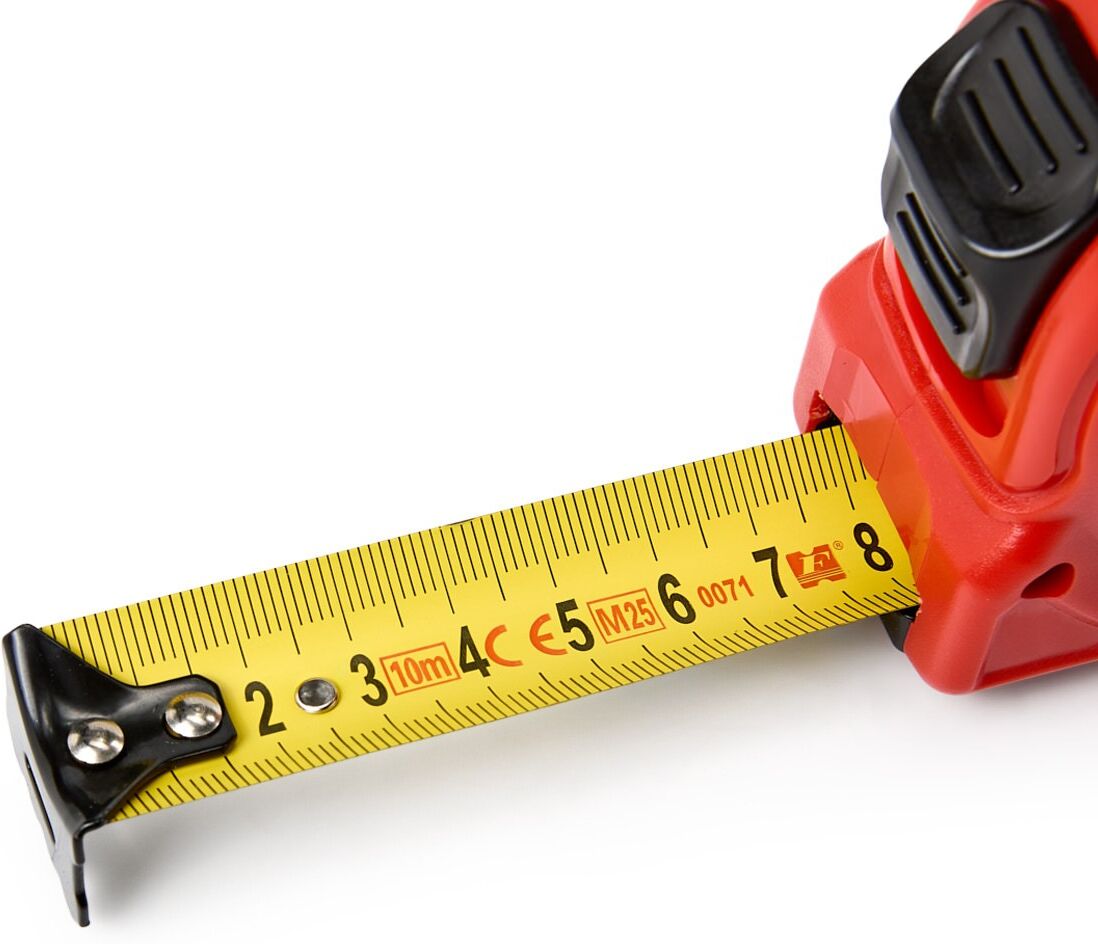

How do I measure size with a tape measure?
To measure size with a tape measure, first, ensure the tape measure is straight and not twisted. Place the end of the tape measure at one point of the object you want to measure, and then extend the tape measure to the other end of the object. Read the measurement where the tape measure meets the end of the object. Make sure to note the units being used (inches, centimeters, etc.) for an accurate measurement. **
What are the formulas for radian measure and degree measure?
The formula for radian measure is θ = s/r, where θ is the angle in radians, s is the arc length, and r is the radius of the circle. The formula for degree measure is θ = (π/180) * d, where θ is the angle in degrees, π is pi (approximately 3.14159), and d is the arc length in degrees. Radian measure is based on the radius of a circle, while degree measure is based on dividing a circle into 360 equal parts. **
Top-Angebote
Products related to Measure:
-
Does it belong more to rhythm, melody, and harmony?
The concept of harmony is most closely related to the interaction of different notes and chords in music. Harmony refers to the simultaneous sounding of different pitches to create a pleasing sound. While rhythm and melody are also important elements in music, harmony specifically deals with the vertical aspect of music, focusing on how notes and chords interact with each other. Therefore, harmony belongs more to the realm of harmony itself. **
-
What is the difference between rhythm, melody, and harmony?
Rhythm refers to the pattern of sounds and silences in music, creating a sense of movement and pulse. Melody is the sequence of musical notes that are perceived as a single entity, often the most recognizable and memorable part of a song. Harmony involves the combination of different musical notes played or sung simultaneously, creating a pleasing sound. While rhythm provides the framework for the timing of music, melody is the main tune, and harmony adds depth and richness to the overall sound. **
-
How do you measure resonance in a car?
Resonance in a car can be measured by observing the vibrations and noises produced by the vehicle while it is in motion. One common method is to listen for any unusual humming, buzzing, or rattling sounds that may indicate resonance. Additionally, feeling for vibrations in the steering wheel, pedals, or seats can also help identify resonance issues. Finally, using specialized equipment like accelerometers or vibration sensors can provide quantitative data on the levels of resonance present in the car. **
-
How do I measure a tape measure?
To measure with a tape measure, first locate the end of the tape and line it up with the starting point of the object you want to measure. Then, pull the tape measure along the object until you reach the end point. Take note of the measurement where the end of the object lines up with the tape measure. Make sure to read the measurement at eye level to ensure accuracy. If the tape measure has both imperial and metric units, be sure to use the correct units for your measurement. **
Similar search terms for Measure
-
How does Bob Dylan handle melody, rhythm, and harmony in A Hard Rain's A-Gonna Fall?
In "A Hard Rain's A-Gonna Fall," Bob Dylan utilizes a haunting melody that adds to the sense of urgency and impending doom in the song. The rhythm is steady and driving, propelling the song forward and adding to its intensity. Harmonically, Dylan uses simple chord progressions that enhance the emotional impact of the lyrics. Overall, Dylan's handling of melody, rhythm, and harmony in this song creates a powerful and evocative listening experience. **
-
How do you measure with a tape measure?
To measure with a tape measure, first, ensure the tape measure is fully extended and the end is securely anchored at the starting point. Then, align the beginning of the tape measure with the edge of the object or surface you are measuring. Next, read the measurement where the other end of the object or surface ends. Make sure the tape measure is straight and not twisted to ensure an accurate measurement. **
-
How do I measure size with a tape measure?
To measure size with a tape measure, first, ensure the tape measure is straight and not twisted. Place the end of the tape measure at one point of the object you want to measure, and then extend the tape measure to the other end of the object. Read the measurement where the tape measure meets the end of the object. Make sure to note the units being used (inches, centimeters, etc.) for an accurate measurement. **
-
What are the formulas for radian measure and degree measure?
The formula for radian measure is θ = s/r, where θ is the angle in radians, s is the arc length, and r is the radius of the circle. The formula for degree measure is θ = (π/180) * d, where θ is the angle in degrees, π is pi (approximately 3.14159), and d is the arc length in degrees. Radian measure is based on the radius of a circle, while degree measure is based on dividing a circle into 360 equal parts. **
* All prices are inclusive of VAT and, if applicable, plus shipping costs. The offer information is based on the details provided by the respective shop and is updated through automated processes. Real-time updates do not occur, so deviations can occur in individual cases. ** Note: Parts of this content were created by AI.