Buy pureaudio.eu ?
We are moving the project
pureaudio.eu .
Are you interested in purchasing the domain
pureaudio.eu ?
domain@kv-gmbh.de · 0541-91531010
Buy pureaudio.eu ?
Does it belong more to rhythm, melody, and harmony?
The concept of harmony is most closely related to the interaction of different notes and chords in music. Harmony refers to the simultaneous sounding of different pitches to create a pleasing sound. While rhythm and melody are also important elements in music, harmony specifically deals with the vertical aspect of music, focusing on how notes and chords interact with each other. Therefore, harmony belongs more to the realm of harmony itself. **
What is the difference between rhythm, melody, and harmony?
Rhythm refers to the pattern of sounds and silences in music, creating a sense of movement and pulse. Melody is the sequence of musical notes that are perceived as a single entity, often the most recognizable and memorable part of a song. Harmony involves the combination of different musical notes played or sung simultaneously, creating a pleasing sound. While rhythm provides the framework for the timing of music, melody is the main tune, and harmony adds depth and richness to the overall sound. **

Similar search terms for Abiotic
Top-Angebote
Products related to Abiotic:
-
Uplifted Finds High Performance Waterproof Solar Garden Light And Outdoor Hanging Resonance Architecture High Performance Waterproof Solar Garden Light And Outdoor Hanging Resonance ArchitectureCommand ultimate environmental confidence with this Hanging Solar Garden Light, a highperformance illumination solution specifically engineered to act as a comprehensive tool for elite organization and superior technical ergonomics. Built with a...51,97 $*Shipping: 0,00 $Secure redirect to the provider
-
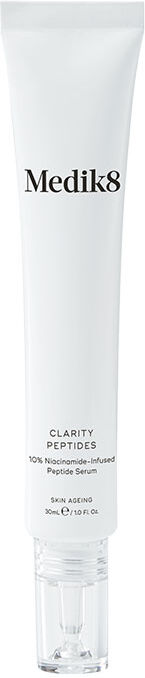
Medik8 Clarity Peptides 30mlAchieve visibly perfected, luminous skin when you need it most. Sometimes life gets in the way of perfect skin. Lack of sleep, poor diet, alcohol, stress, hormones and the list goes on. Everything and anything can affect your skin; leaving it blemish-prone and dull. That's where Clarity Peptides comes in as a skin perfecting peptide complex to help enhance your skins natural luminosity. The Peptides contains three potent actives: 10% niacinamide which calms and soothes redness, blotchy skin and blemishes, Crystalide peptide which adds light reflection for a translucent skin effect, and zinc PCA that minimises sebum production and balances skin bacteria to tackle blemishes. Ingredients Aqua (Water), Niacinamide, Caprylic/Capric Triglyceride, Acetyl Glucosamine, Glyceryl Stearate Citrate, Dimethicone, Zinc PCA, Glycerin, Polyglyceryl-3 Stearate, Crambe Abyssinica Seed Oil, Hydroxyacetophenone, Hydrogenated Lecithin, Behenyl Alcohol, Cetearyl Alcohol, Phenoxyethanol, Hydroxyethyl Acrylate/Sodium Acryloyldimethyl Taurate Copolymer, Disodium EDTA, Xanthan Gum, Cetyl Palmitate, Carnosine, Ethylhexylglycerin, Polysorbate 80, Palmitoyl Tetrapeptide-10, Sorbitan Stearate, Sodium Hyaluronate, Polysorbate 60, Sorbitan Isostearate, Sodium Benzoate, Citric Acid, Tocopherol, Butylene Glycol, 1,2-Hexanediol, Caprylhydroxamic Acid.41,16 £*Shipping: 0,00 £Secure redirect to the provider
-
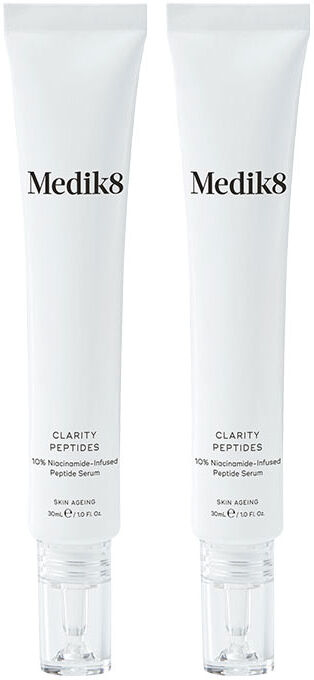
Medik8 Clarity Peptides 30ml DoubleSave on your favourite skin treatment with this exclusive double pack. Achieve visibly perfected, luminous skin when you need it most. Sometimes life gets in the way of perfect skin. Lack of sleep, poor diet, alcohol, stress, hormones and the list goes on. Everything and anything can affect your skin; leaving it blemish-prone and dull. That's where Clarity Peptides comes in as a skin perfecting peptide complex to help enhance your skins natural luminosity. The Peptides contains three potent actives: 10% niacinamide which calms and soothes redness, blotchy skin and blemishes, Crystalide peptide which adds light reflection for a translucent skin effect, and zinc PCA that minimises sebum production and balances skin bacteria to tackle blemishes. Ingredients Aqua (Water), Niacinamide, Caprylic/Capric Triglyceride, Acetyl Glucosamine, Glyceryl Stearate Citrate, Dimethicone, Zinc PCA, Glycerin, Polyglyceryl-3 Stearate, Crambe Abyssinica Seed Oil, Hydroxyacetophenone, Hydrogenated Lecithin, Behenyl Alcohol, Cetearyl Alcohol, Phenoxyethanol, Hydroxyethyl Acrylate/Sodium Acryloyldimethyl Taurate Copolymer, Disodium EDTA, Xanthan Gum, Cetyl Palmitate, Carnosine, Ethylhexylglycerin, Polysorbate 80, Palmitoyl Tetrapeptide-10, Sorbitan Stearate, Sodium Hyaluronate, Polysorbate 60, Sorbitan Isostearate, Sodium Benzoate, Citric Acid, Tocopherol, Butylene Glycol, 1,2-Hexanediol, Caprylhydroxamic Acid.90,00 £*Shipping: 0,00 £Secure redirect to the provider
-
Uplift Picks Sanrio Melody Double Layer Straw Water Bottle 450ml melodyStay refreshed in the cutest way possible. This Sanrio Melody water bottle combines playful cartoon charm with everyday practicality. Designed as a 450ml cartoon straw cup, it features a secure lid and built in straw for easy sipping on the go. The...102,48 $*Shipping: 0,00 $Secure redirect to the provider


-
What are abiotic factors in ecology?
Abiotic factors in ecology are non-living components of an ecosystem that can influence the living organisms within it. These factors include physical and chemical elements such as temperature, sunlight, water, soil, air, and nutrients. Abiotic factors play a crucial role in shaping the environment and determining the types of organisms that can survive in a particular ecosystem. They can also affect the distribution, behavior, and abundance of species within an ecosystem. **
-
What are abiotic factors in the Antarctic?
Abiotic factors in the Antarctic include extreme cold temperatures, strong winds, low precipitation, and high levels of ultraviolet radiation due to the hole in the ozone layer. The frozen landscape is also a significant abiotic factor, as the ice and snow cover much of the continent. These abiotic factors create a harsh environment that shapes the unique ecosystems and limits the types of organisms that can survive in the Antarctic. **
-
What are abiotic and biotic factors for humans?
Abiotic factors for humans include non-living elements such as air quality, temperature, and sunlight exposure. These factors can directly impact human health and well-being. Biotic factors for humans involve living organisms that interact with humans, such as pathogens, parasites, and symbiotic organisms like gut bacteria. These factors can also have significant effects on human health and disease. **
-
What are application tasks related to abiotic factors?
Application tasks related to abiotic factors involve studying the impact of non-living elements such as temperature, water availability, soil composition, and sunlight on various ecosystems. Researchers may investigate how changes in these abiotic factors affect plant growth, animal behavior, and overall ecosystem health. Understanding these relationships is crucial for predicting and managing the effects of climate change, land use changes, and other environmental disturbances on ecosystems. By studying abiotic factors, scientists can develop strategies to conserve biodiversity, restore degraded habitats, and promote sustainable resource management. **


Which biotic and abiotic factors influence the sea?
Biotic factors that influence the sea include the presence of marine plants and animals, which contribute to the overall ecosystem and food web. These organisms play a crucial role in the health and balance of the marine environment. Abiotic factors such as temperature, sunlight, water chemistry, and currents also have a significant impact on the sea. These factors affect the physical and chemical properties of the water, as well as the distribution and behavior of marine life. Overall, both biotic and abiotic factors play a crucial role in shaping the marine environment and its inhabitants. **
What do abiotic and biotic environmental factors mean?
Abiotic environmental factors refer to non-living components of an ecosystem, such as temperature, sunlight, water, and soil. These factors can have a significant impact on the survival and distribution of living organisms within an ecosystem. Biotic environmental factors, on the other hand, refer to the living components of an ecosystem, including plants, animals, and microorganisms. These factors can also influence the dynamics of an ecosystem through interactions such as predation, competition, and symbiosis. Both abiotic and biotic factors play crucial roles in shaping the structure and function of ecosystems. **
Top-Angebote
Products related to Abiotic:
-
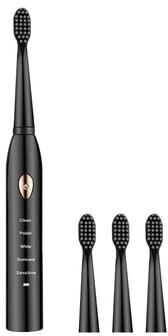
Uplift Essentials Pro Level Acoustic Sonic Toothbrush 34,000 SPM Waterproof Dental System blackElevate your oral hygiene with this highperformance acoustic electric toothbrush, engineered to provide a professionalgrade clean for every adult. Utilizing advanced sonic technology, this brush delivers an impressive 34,000 strokesminute to...56,97 $*Shipping: 0,00 $Secure redirect to the provider
-
Uplifted Finds High Performance Waterproof Solar Garden Light And Outdoor Hanging Resonance Architecture High Performance Waterproof Solar Garden Light And Outdoor Hanging Resonance ArchitectureCommand ultimate environmental confidence with this Hanging Solar Garden Light, a highperformance illumination solution specifically engineered to act as a comprehensive tool for elite organization and superior technical ergonomics. Built with a...51,97 $*Shipping: 0,00 $Secure redirect to the provider
-
Medik8 Clarity Peptides 30mlAchieve visibly perfected, luminous skin when you need it most. Sometimes life gets in the way of perfect skin. Lack of sleep, poor diet, alcohol, stress, hormones and the list goes on. Everything and anything can affect your skin; leaving it blemish-prone and dull. That's where Clarity Peptides comes in as a skin perfecting peptide complex to help enhance your skins natural luminosity. The Peptides contains three potent actives: 10% niacinamide which calms and soothes redness, blotchy skin and blemishes, Crystalide peptide which adds light reflection for a translucent skin effect, and zinc PCA that minimises sebum production and balances skin bacteria to tackle blemishes. Ingredients Aqua (Water), Niacinamide, Caprylic/Capric Triglyceride, Acetyl Glucosamine, Glyceryl Stearate Citrate, Dimethicone, Zinc PCA, Glycerin, Polyglyceryl-3 Stearate, Crambe Abyssinica Seed Oil, Hydroxyacetophenone, Hydrogenated Lecithin, Behenyl Alcohol, Cetearyl Alcohol, Phenoxyethanol, Hydroxyethyl Acrylate/Sodium Acryloyldimethyl Taurate Copolymer, Disodium EDTA, Xanthan Gum, Cetyl Palmitate, Carnosine, Ethylhexylglycerin, Polysorbate 80, Palmitoyl Tetrapeptide-10, Sorbitan Stearate, Sodium Hyaluronate, Polysorbate 60, Sorbitan Isostearate, Sodium Benzoate, Citric Acid, Tocopherol, Butylene Glycol, 1,2-Hexanediol, Caprylhydroxamic Acid.41,16 £*Shipping: 0,00 £Secure redirect to the provider
-
Does it belong more to rhythm, melody, and harmony?
The concept of harmony is most closely related to the interaction of different notes and chords in music. Harmony refers to the simultaneous sounding of different pitches to create a pleasing sound. While rhythm and melody are also important elements in music, harmony specifically deals with the vertical aspect of music, focusing on how notes and chords interact with each other. Therefore, harmony belongs more to the realm of harmony itself. **
-
What is the difference between rhythm, melody, and harmony?
Rhythm refers to the pattern of sounds and silences in music, creating a sense of movement and pulse. Melody is the sequence of musical notes that are perceived as a single entity, often the most recognizable and memorable part of a song. Harmony involves the combination of different musical notes played or sung simultaneously, creating a pleasing sound. While rhythm provides the framework for the timing of music, melody is the main tune, and harmony adds depth and richness to the overall sound. **
-
What are abiotic factors in ecology?
Abiotic factors in ecology are non-living components of an ecosystem that can influence the living organisms within it. These factors include physical and chemical elements such as temperature, sunlight, water, soil, air, and nutrients. Abiotic factors play a crucial role in shaping the environment and determining the types of organisms that can survive in a particular ecosystem. They can also affect the distribution, behavior, and abundance of species within an ecosystem. **
-
What are abiotic factors in the Antarctic?
Abiotic factors in the Antarctic include extreme cold temperatures, strong winds, low precipitation, and high levels of ultraviolet radiation due to the hole in the ozone layer. The frozen landscape is also a significant abiotic factor, as the ice and snow cover much of the continent. These abiotic factors create a harsh environment that shapes the unique ecosystems and limits the types of organisms that can survive in the Antarctic. **
Similar search terms for Abiotic
-
Medik8 Clarity Peptides 30ml DoubleSave on your favourite skin treatment with this exclusive double pack. Achieve visibly perfected, luminous skin when you need it most. Sometimes life gets in the way of perfect skin. Lack of sleep, poor diet, alcohol, stress, hormones and the list goes on. Everything and anything can affect your skin; leaving it blemish-prone and dull. That's where Clarity Peptides comes in as a skin perfecting peptide complex to help enhance your skins natural luminosity. The Peptides contains three potent actives: 10% niacinamide which calms and soothes redness, blotchy skin and blemishes, Crystalide peptide which adds light reflection for a translucent skin effect, and zinc PCA that minimises sebum production and balances skin bacteria to tackle blemishes. Ingredients Aqua (Water), Niacinamide, Caprylic/Capric Triglyceride, Acetyl Glucosamine, Glyceryl Stearate Citrate, Dimethicone, Zinc PCA, Glycerin, Polyglyceryl-3 Stearate, Crambe Abyssinica Seed Oil, Hydroxyacetophenone, Hydrogenated Lecithin, Behenyl Alcohol, Cetearyl Alcohol, Phenoxyethanol, Hydroxyethyl Acrylate/Sodium Acryloyldimethyl Taurate Copolymer, Disodium EDTA, Xanthan Gum, Cetyl Palmitate, Carnosine, Ethylhexylglycerin, Polysorbate 80, Palmitoyl Tetrapeptide-10, Sorbitan Stearate, Sodium Hyaluronate, Polysorbate 60, Sorbitan Isostearate, Sodium Benzoate, Citric Acid, Tocopherol, Butylene Glycol, 1,2-Hexanediol, Caprylhydroxamic Acid.90,00 £*Shipping: 0,00 £Secure redirect to the provider
-
Uplift Picks Sanrio Melody Double Layer Straw Water Bottle 450ml melodyStay refreshed in the cutest way possible. This Sanrio Melody water bottle combines playful cartoon charm with everyday practicality. Designed as a 450ml cartoon straw cup, it features a secure lid and built in straw for easy sipping on the go. The...102,48 $*Shipping: 0,00 $Secure redirect to the provider
-
"Uttermost Resonance Indoor-Outdoor Resin Bowl - 25.00"" W x 5.50"" H x 25.00"" D"This Oversized Resin Bowl Makes A Bold Statement With Its Modern, Organic Silhouette. It Features A Rich Black Finish And Is Cast With Subtle Ridges And A Distinctive Texture, Giving It A Beautifully Handcrafted Feel.448,80 $*Shipping: 0,00 $Secure redirect to the provider
-
What are abiotic and biotic factors for humans?
Abiotic factors for humans include non-living elements such as air quality, temperature, and sunlight exposure. These factors can directly impact human health and well-being. Biotic factors for humans involve living organisms that interact with humans, such as pathogens, parasites, and symbiotic organisms like gut bacteria. These factors can also have significant effects on human health and disease. **
-
What are application tasks related to abiotic factors?
Application tasks related to abiotic factors involve studying the impact of non-living elements such as temperature, water availability, soil composition, and sunlight on various ecosystems. Researchers may investigate how changes in these abiotic factors affect plant growth, animal behavior, and overall ecosystem health. Understanding these relationships is crucial for predicting and managing the effects of climate change, land use changes, and other environmental disturbances on ecosystems. By studying abiotic factors, scientists can develop strategies to conserve biodiversity, restore degraded habitats, and promote sustainable resource management. **
-
Which biotic and abiotic factors influence the sea?
Biotic factors that influence the sea include the presence of marine plants and animals, which contribute to the overall ecosystem and food web. These organisms play a crucial role in the health and balance of the marine environment. Abiotic factors such as temperature, sunlight, water chemistry, and currents also have a significant impact on the sea. These factors affect the physical and chemical properties of the water, as well as the distribution and behavior of marine life. Overall, both biotic and abiotic factors play a crucial role in shaping the marine environment and its inhabitants. **
-
What do abiotic and biotic environmental factors mean?
Abiotic environmental factors refer to non-living components of an ecosystem, such as temperature, sunlight, water, and soil. These factors can have a significant impact on the survival and distribution of living organisms within an ecosystem. Biotic environmental factors, on the other hand, refer to the living components of an ecosystem, including plants, animals, and microorganisms. These factors can also influence the dynamics of an ecosystem through interactions such as predation, competition, and symbiosis. Both abiotic and biotic factors play crucial roles in shaping the structure and function of ecosystems. **
* All prices are inclusive of VAT and, if applicable, plus shipping costs. The offer information is based on the details provided by the respective shop and is updated through automated processes. Real-time updates do not occur, so deviations can occur in individual cases. ** Note: Parts of this content were created by AI.