Buy pureaudio.eu ?
We are moving the project
pureaudio.eu .
Are you interested in purchasing the domain
pureaudio.eu ?
domain@kv-gmbh.de · 0541-91531010
Buy pureaudio.eu ?
Does it belong more to rhythm, melody, and harmony?
The concept of harmony is most closely related to the interaction of different notes and chords in music. Harmony refers to the simultaneous sounding of different pitches to create a pleasing sound. While rhythm and melody are also important elements in music, harmony specifically deals with the vertical aspect of music, focusing on how notes and chords interact with each other. Therefore, harmony belongs more to the realm of harmony itself. **
What is the difference between rhythm, melody, and harmony?
Rhythm refers to the pattern of sounds and silences in music, creating a sense of movement and pulse. Melody is the sequence of musical notes that are perceived as a single entity, often the most recognizable and memorable part of a song. Harmony involves the combination of different musical notes played or sung simultaneously, creating a pleasing sound. While rhythm provides the framework for the timing of music, melody is the main tune, and harmony adds depth and richness to the overall sound. **

Similar search terms for Forensics
Top-Angebote
Products related to Forensics:
-
Uplifted Finds High Performance Waterproof Solar Garden Light And Outdoor Hanging Resonance Architecture High Performance Waterproof Solar Garden Light And Outdoor Hanging Resonance ArchitectureCommand ultimate environmental confidence with this Hanging Solar Garden Light, a highperformance illumination solution specifically engineered to act as a comprehensive tool for elite organization and superior technical ergonomics. Built with a...51,97 $*Shipping: 0,00 $Secure redirect to the provider
-
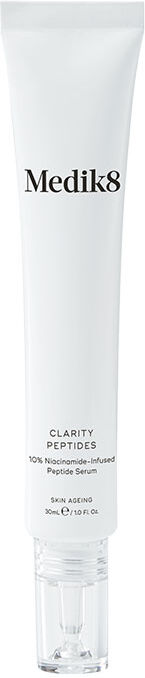
Medik8 Clarity Peptides 30mlAchieve visibly perfected, luminous skin when you need it most. Sometimes life gets in the way of perfect skin. Lack of sleep, poor diet, alcohol, stress, hormones and the list goes on. Everything and anything can affect your skin; leaving it blemish-prone and dull. That's where Clarity Peptides comes in as a skin perfecting peptide complex to help enhance your skins natural luminosity. The Peptides contains three potent actives: 10% niacinamide which calms and soothes redness, blotchy skin and blemishes, Crystalide peptide which adds light reflection for a translucent skin effect, and zinc PCA that minimises sebum production and balances skin bacteria to tackle blemishes. Ingredients Aqua (Water), Niacinamide, Caprylic/Capric Triglyceride, Acetyl Glucosamine, Glyceryl Stearate Citrate, Dimethicone, Zinc PCA, Glycerin, Polyglyceryl-3 Stearate, Crambe Abyssinica Seed Oil, Hydroxyacetophenone, Hydrogenated Lecithin, Behenyl Alcohol, Cetearyl Alcohol, Phenoxyethanol, Hydroxyethyl Acrylate/Sodium Acryloyldimethyl Taurate Copolymer, Disodium EDTA, Xanthan Gum, Cetyl Palmitate, Carnosine, Ethylhexylglycerin, Polysorbate 80, Palmitoyl Tetrapeptide-10, Sorbitan Stearate, Sodium Hyaluronate, Polysorbate 60, Sorbitan Isostearate, Sodium Benzoate, Citric Acid, Tocopherol, Butylene Glycol, 1,2-Hexanediol, Caprylhydroxamic Acid.41,16 £*Shipping: 0,00 £Secure redirect to the provider
-
Medik8 Clarity Peptides 30ml DoubleSave on your favourite skin treatment with this exclusive double pack. Achieve visibly perfected, luminous skin when you need it most. Sometimes life gets in the way of perfect skin. Lack of sleep, poor diet, alcohol, stress, hormones and the list goes on. Everything and anything can affect your skin; leaving it blemish-prone and dull. That's where Clarity Peptides comes in as a skin perfecting peptide complex to help enhance your skins natural luminosity. The Peptides contains three potent actives: 10% niacinamide which calms and soothes redness, blotchy skin and blemishes, Crystalide peptide which adds light reflection for a translucent skin effect, and zinc PCA that minimises sebum production and balances skin bacteria to tackle blemishes. Ingredients Aqua (Water), Niacinamide, Caprylic/Capric Triglyceride, Acetyl Glucosamine, Glyceryl Stearate Citrate, Dimethicone, Zinc PCA, Glycerin, Polyglyceryl-3 Stearate, Crambe Abyssinica Seed Oil, Hydroxyacetophenone, Hydrogenated Lecithin, Behenyl Alcohol, Cetearyl Alcohol, Phenoxyethanol, Hydroxyethyl Acrylate/Sodium Acryloyldimethyl Taurate Copolymer, Disodium EDTA, Xanthan Gum, Cetyl Palmitate, Carnosine, Ethylhexylglycerin, Polysorbate 80, Palmitoyl Tetrapeptide-10, Sorbitan Stearate, Sodium Hyaluronate, Polysorbate 60, Sorbitan Isostearate, Sodium Benzoate, Citric Acid, Tocopherol, Butylene Glycol, 1,2-Hexanediol, Caprylhydroxamic Acid.90,00 £*Shipping: 0,00 £Secure redirect to the provider
-
Uplift Picks Sanrio Melody Double Layer Straw Water Bottle 450ml melodyStay refreshed in the cutest way possible. This Sanrio Melody water bottle combines playful cartoon charm with everyday practicality. Designed as a 450ml cartoon straw cup, it features a secure lid and built in straw for easy sipping on the go. The...102,48 $*Shipping: 0,00 $Secure redirect to the provider



-
What level of education is required for Forensics?
To work in the field of forensics, a minimum of a bachelor's degree in a relevant field such as forensic science, biology, chemistry, or criminal justice is typically required. However, many positions in forensics may require a master's degree or even a Ph.D., especially for more specialized roles or for advancement in the field. Additionally, gaining practical experience through internships or on-the-job training is also important for a career in forensics. **
-
What is the difference between forensics and criminalistics?
Forensics is the application of scientific methods and techniques to solve crimes and legal issues, while criminalistics is a branch of forensic science that focuses specifically on the analysis of physical evidence in criminal investigations. Forensics encompasses a broader range of disciplines, including DNA analysis, toxicology, and crime scene investigation, while criminalistics is more narrowly focused on the collection, preservation, and analysis of physical evidence such as fingerprints, ballistics, and trace evidence. In summary, forensics is the overarching field that includes criminalistics as a specialized area of study within it. **
-
How can I do an internship in forensics?
To do an internship in forensics, you can start by researching and reaching out to organizations or agencies that offer internships in the field of forensics, such as law enforcement agencies, crime labs, or forensic science research institutions. You can also check with your college or university's career services office for internship opportunities in forensics. Networking with professionals in the field and attending career fairs or industry events can also help you find internship opportunities. Additionally, gaining relevant coursework or experience in forensic science, criminal justice, or related fields can make you a more competitive candidate for forensics internships. **
-
Where can I apply for an internship in forensics?
You can apply for internships in forensics at various places such as government agencies like the Federal Bureau of Investigation (FBI), local law enforcement agencies, forensic laboratories, and private forensic consulting firms. Additionally, many universities and research institutions offer internships in forensic science and related fields. It's important to research and reach out to specific organizations or institutions that align with your interests and career goals in forensics. Networking with professionals in the field and utilizing online job boards and internship databases can also help you find opportunities. **


How can I study biology and then go into forensics?
To study biology and then go into forensics, you can start by pursuing a degree in biology or a related field such as forensic science. It is important to take courses in biology, chemistry, and other relevant sciences to build a strong foundation. You can then specialize in forensic biology or forensic science through additional coursework or a graduate program. Gaining practical experience through internships or research opportunities in forensic labs can also be beneficial in preparing for a career in forensics. **
How can one transition from a biomedical analyst to forensics?
To transition from a biomedical analyst to forensics, one could consider pursuing additional education or training in forensic science or a related field. This could involve obtaining a certification or a master's degree in forensic science. It may also be beneficial to gain experience through internships or volunteer opportunities in forensic labs or with law enforcement agencies. Networking with professionals in the field of forensics and attending relevant conferences or workshops can also help in making the transition. **
Top-Angebote
Products related to Forensics:
-
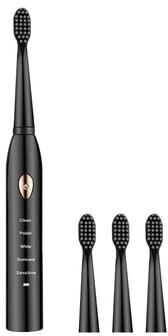
Uplift Essentials Pro Level Acoustic Sonic Toothbrush 34,000 SPM Waterproof Dental System blackElevate your oral hygiene with this highperformance acoustic electric toothbrush, engineered to provide a professionalgrade clean for every adult. Utilizing advanced sonic technology, this brush delivers an impressive 34,000 strokesminute to...56,97 $*Shipping: 0,00 $Secure redirect to the provider
-
Uplifted Finds High Performance Waterproof Solar Garden Light And Outdoor Hanging Resonance Architecture High Performance Waterproof Solar Garden Light And Outdoor Hanging Resonance ArchitectureCommand ultimate environmental confidence with this Hanging Solar Garden Light, a highperformance illumination solution specifically engineered to act as a comprehensive tool for elite organization and superior technical ergonomics. Built with a...51,97 $*Shipping: 0,00 $Secure redirect to the provider
-
Medik8 Clarity Peptides 30mlAchieve visibly perfected, luminous skin when you need it most. Sometimes life gets in the way of perfect skin. Lack of sleep, poor diet, alcohol, stress, hormones and the list goes on. Everything and anything can affect your skin; leaving it blemish-prone and dull. That's where Clarity Peptides comes in as a skin perfecting peptide complex to help enhance your skins natural luminosity. The Peptides contains three potent actives: 10% niacinamide which calms and soothes redness, blotchy skin and blemishes, Crystalide peptide which adds light reflection for a translucent skin effect, and zinc PCA that minimises sebum production and balances skin bacteria to tackle blemishes. Ingredients Aqua (Water), Niacinamide, Caprylic/Capric Triglyceride, Acetyl Glucosamine, Glyceryl Stearate Citrate, Dimethicone, Zinc PCA, Glycerin, Polyglyceryl-3 Stearate, Crambe Abyssinica Seed Oil, Hydroxyacetophenone, Hydrogenated Lecithin, Behenyl Alcohol, Cetearyl Alcohol, Phenoxyethanol, Hydroxyethyl Acrylate/Sodium Acryloyldimethyl Taurate Copolymer, Disodium EDTA, Xanthan Gum, Cetyl Palmitate, Carnosine, Ethylhexylglycerin, Polysorbate 80, Palmitoyl Tetrapeptide-10, Sorbitan Stearate, Sodium Hyaluronate, Polysorbate 60, Sorbitan Isostearate, Sodium Benzoate, Citric Acid, Tocopherol, Butylene Glycol, 1,2-Hexanediol, Caprylhydroxamic Acid.41,16 £*Shipping: 0,00 £Secure redirect to the provider
-
Does it belong more to rhythm, melody, and harmony?
The concept of harmony is most closely related to the interaction of different notes and chords in music. Harmony refers to the simultaneous sounding of different pitches to create a pleasing sound. While rhythm and melody are also important elements in music, harmony specifically deals with the vertical aspect of music, focusing on how notes and chords interact with each other. Therefore, harmony belongs more to the realm of harmony itself. **
-
What is the difference between rhythm, melody, and harmony?
Rhythm refers to the pattern of sounds and silences in music, creating a sense of movement and pulse. Melody is the sequence of musical notes that are perceived as a single entity, often the most recognizable and memorable part of a song. Harmony involves the combination of different musical notes played or sung simultaneously, creating a pleasing sound. While rhythm provides the framework for the timing of music, melody is the main tune, and harmony adds depth and richness to the overall sound. **
-
What level of education is required for Forensics?
To work in the field of forensics, a minimum of a bachelor's degree in a relevant field such as forensic science, biology, chemistry, or criminal justice is typically required. However, many positions in forensics may require a master's degree or even a Ph.D., especially for more specialized roles or for advancement in the field. Additionally, gaining practical experience through internships or on-the-job training is also important for a career in forensics. **
-
What is the difference between forensics and criminalistics?
Forensics is the application of scientific methods and techniques to solve crimes and legal issues, while criminalistics is a branch of forensic science that focuses specifically on the analysis of physical evidence in criminal investigations. Forensics encompasses a broader range of disciplines, including DNA analysis, toxicology, and crime scene investigation, while criminalistics is more narrowly focused on the collection, preservation, and analysis of physical evidence such as fingerprints, ballistics, and trace evidence. In summary, forensics is the overarching field that includes criminalistics as a specialized area of study within it. **
Similar search terms for Forensics
-
Medik8 Clarity Peptides 30ml DoubleSave on your favourite skin treatment with this exclusive double pack. Achieve visibly perfected, luminous skin when you need it most. Sometimes life gets in the way of perfect skin. Lack of sleep, poor diet, alcohol, stress, hormones and the list goes on. Everything and anything can affect your skin; leaving it blemish-prone and dull. That's where Clarity Peptides comes in as a skin perfecting peptide complex to help enhance your skins natural luminosity. The Peptides contains three potent actives: 10% niacinamide which calms and soothes redness, blotchy skin and blemishes, Crystalide peptide which adds light reflection for a translucent skin effect, and zinc PCA that minimises sebum production and balances skin bacteria to tackle blemishes. Ingredients Aqua (Water), Niacinamide, Caprylic/Capric Triglyceride, Acetyl Glucosamine, Glyceryl Stearate Citrate, Dimethicone, Zinc PCA, Glycerin, Polyglyceryl-3 Stearate, Crambe Abyssinica Seed Oil, Hydroxyacetophenone, Hydrogenated Lecithin, Behenyl Alcohol, Cetearyl Alcohol, Phenoxyethanol, Hydroxyethyl Acrylate/Sodium Acryloyldimethyl Taurate Copolymer, Disodium EDTA, Xanthan Gum, Cetyl Palmitate, Carnosine, Ethylhexylglycerin, Polysorbate 80, Palmitoyl Tetrapeptide-10, Sorbitan Stearate, Sodium Hyaluronate, Polysorbate 60, Sorbitan Isostearate, Sodium Benzoate, Citric Acid, Tocopherol, Butylene Glycol, 1,2-Hexanediol, Caprylhydroxamic Acid.90,00 £*Shipping: 0,00 £Secure redirect to the provider
-
Uplift Picks Sanrio Melody Double Layer Straw Water Bottle 450ml melodyStay refreshed in the cutest way possible. This Sanrio Melody water bottle combines playful cartoon charm with everyday practicality. Designed as a 450ml cartoon straw cup, it features a secure lid and built in straw for easy sipping on the go. The...102,48 $*Shipping: 0,00 $Secure redirect to the provider
-
Clarity 10x26 Rubberised Compact Binoculars - BlackThe Clarity 10x26 Rubberised Binoculars are lightweight and compact, making them an excellent choice for travel, birdwatching, sporting events, hiking and outdoor adventures. With 10x magnification, they provide clear and detailed views of distant subjects while remaining easy to carry wherever you go. Designed with a durable rubberised exterior, these binoculars offer a comfortable, non-slip grip and added protection against everyday knocks and bumps. The compact full-size design makes them ideal for extended viewing sessions, while the tripod mount compatibility allows for increased stability during prolonged observation. Whether you're exploring nature, attending live events or enjoying sightseeing, the Clarity 10x26 Binoculars deliver reliable optical performance in a portable and durable design suitable for both beginners and experienced users.33,99 £*Shipping: 0,00 £Secure redirect to the provider
-
How can I do an internship in forensics?
To do an internship in forensics, you can start by researching and reaching out to organizations or agencies that offer internships in the field of forensics, such as law enforcement agencies, crime labs, or forensic science research institutions. You can also check with your college or university's career services office for internship opportunities in forensics. Networking with professionals in the field and attending career fairs or industry events can also help you find internship opportunities. Additionally, gaining relevant coursework or experience in forensic science, criminal justice, or related fields can make you a more competitive candidate for forensics internships. **
-
Where can I apply for an internship in forensics?
You can apply for internships in forensics at various places such as government agencies like the Federal Bureau of Investigation (FBI), local law enforcement agencies, forensic laboratories, and private forensic consulting firms. Additionally, many universities and research institutions offer internships in forensic science and related fields. It's important to research and reach out to specific organizations or institutions that align with your interests and career goals in forensics. Networking with professionals in the field and utilizing online job boards and internship databases can also help you find opportunities. **
-
How can I study biology and then go into forensics?
To study biology and then go into forensics, you can start by pursuing a degree in biology or a related field such as forensic science. It is important to take courses in biology, chemistry, and other relevant sciences to build a strong foundation. You can then specialize in forensic biology or forensic science through additional coursework or a graduate program. Gaining practical experience through internships or research opportunities in forensic labs can also be beneficial in preparing for a career in forensics. **
-
How can one transition from a biomedical analyst to forensics?
To transition from a biomedical analyst to forensics, one could consider pursuing additional education or training in forensic science or a related field. This could involve obtaining a certification or a master's degree in forensic science. It may also be beneficial to gain experience through internships or volunteer opportunities in forensic labs or with law enforcement agencies. Networking with professionals in the field of forensics and attending relevant conferences or workshops can also help in making the transition. **
* All prices are inclusive of VAT and, if applicable, plus shipping costs. The offer information is based on the details provided by the respective shop and is updated through automated processes. Real-time updates do not occur, so deviations can occur in individual cases. ** Note: Parts of this content were created by AI.