Buy pureaudio.eu ?
We are moving the project
pureaudio.eu .
Are you interested in purchasing the domain
pureaudio.eu ?
domain@kv-gmbh.de · 0541-91531010
Buy pureaudio.eu ?
Is it possible to dye Polywood wood?
Polywood is a type of synthetic wood made from recycled plastic. Due to its composition, it is not possible to dye Polywood in the same way you would dye natural wood. However, some manufacturers offer Polywood furniture in a variety of colors by adding pigments during the manufacturing process. These colors are integrated into the material itself and do not require additional dyeing. **
Is it possible to stain Polywood wood?
Polywood is a type of synthetic wood made from recycled plastic. Due to its composition, traditional wood stains may not adhere well to Polywood. However, there are specially formulated paints and stains designed for use on plastic materials that may work on Polywood. It is recommended to test a small, inconspicuous area first to ensure the desired result before applying the stain to the entire surface. **
Similar search terms for POLYWOOD-Vineyard-Deep-Seating
Top-Angebote
Products related to POLYWOOD-Vineyard-Deep-Seating:
-
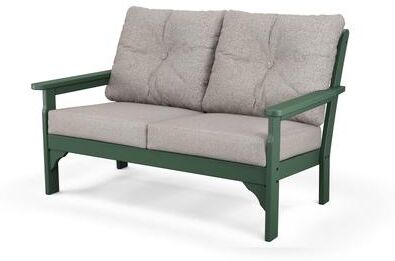
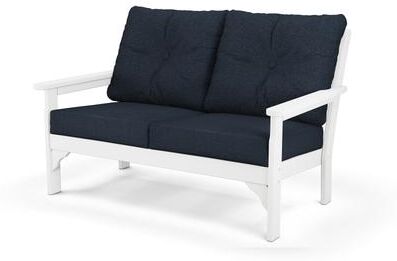
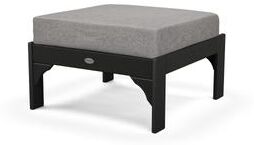
POLYWOOD Vineyard Deep Seating LoveseatPerfect for two or roomy for one, the Vineyard Deep Seating Loveseat combines the cozy comfort and balance of supportive seat cushions with soft buttoned back pillows, covered in durable performance fabric.969,00 $*Shipping: 0,00 $Secure redirect to the provider
-
POLYWOOD Vineyard Deep Seating LoveseatPerfect for two or roomy for one, the Vineyard Deep Seating Loveseat combines the cozy comfort and balance of supportive seat cushions with soft buttoned back pillows, covered in durable performance fabric.969,00 $*Shipping: 0,00 $Secure redirect to the provider


-
How deep should the foundation for a seating area in the garden be?
The depth of the foundation for a seating area in the garden will depend on the type of soil and the weight of the structure. In general, a good rule of thumb is to dig a foundation that is at least 12-18 inches deep. This will help provide stability and prevent the seating area from sinking or shifting over time. It's also important to consider local building codes and regulations, as they may have specific requirements for the depth of foundations for outdoor structures. **
-
Does it belong more to rhythm, melody, and harmony?
The concept of harmony is most closely related to the interaction of different notes and chords in music. Harmony refers to the simultaneous sounding of different pitches to create a pleasing sound. While rhythm and melody are also important elements in music, harmony specifically deals with the vertical aspect of music, focusing on how notes and chords interact with each other. Therefore, harmony belongs more to the realm of harmony itself. **
-
What is the difference between rhythm, melody, and harmony?
Rhythm refers to the pattern of sounds and silences in music, creating a sense of movement and pulse. Melody is the sequence of musical notes that are perceived as a single entity, often the most recognizable and memorable part of a song. Harmony involves the combination of different musical notes played or sung simultaneously, creating a pleasing sound. While rhythm provides the framework for the timing of music, melody is the main tune, and harmony adds depth and richness to the overall sound. **
-
What are vineyard snails?
Vineyard snails, also known as grape snails, are a species of snail commonly found in vineyards and other agricultural areas. They are known for their voracious appetite for grape leaves and can cause significant damage to grapevines if left unchecked. Vineyard snails are a particular concern for grape growers, as they can impact the health and yield of grape crops. Measures such as manual removal, natural predators, and chemical control are often used to manage vineyard snail populations. **
Do vineyard snails eat paper?
No, vineyard snails do not eat paper. They are herbivores that primarily feed on plants, fruits, and vegetables. Paper is not a natural part of their diet, so they are unlikely to consume it. If you are experiencing issues with snails eating paper, it is more likely to be a different species of snail or pest. **
Are slugs homeless vineyard snails?
No, slugs are not homeless vineyard snails. While both slugs and vineyard snails can be found in vineyards, they are two different species. Slugs are gastropods that lack a shell, while vineyard snails are a type of land snail with a coiled shell. Both may be found in vineyards, but they are distinct creatures with different characteristics and behaviors. **
Top-Angebote
Products related to POLYWOOD-Vineyard-Deep-Seating:
-
POLYWOOD Vineyard Deep Seating LoveseatPerfect for two or roomy for one, the Vineyard Deep Seating Loveseat combines the cozy comfort and balance of supportive seat cushions with soft buttoned back pillows, covered in durable performance fabric.969,00 $*Shipping: 0,00 $Secure redirect to the provider
-
Is it possible to dye Polywood wood?
Polywood is a type of synthetic wood made from recycled plastic. Due to its composition, it is not possible to dye Polywood in the same way you would dye natural wood. However, some manufacturers offer Polywood furniture in a variety of colors by adding pigments during the manufacturing process. These colors are integrated into the material itself and do not require additional dyeing. **
-
Is it possible to stain Polywood wood?
Polywood is a type of synthetic wood made from recycled plastic. Due to its composition, traditional wood stains may not adhere well to Polywood. However, there are specially formulated paints and stains designed for use on plastic materials that may work on Polywood. It is recommended to test a small, inconspicuous area first to ensure the desired result before applying the stain to the entire surface. **
-
How deep should the foundation for a seating area in the garden be?
The depth of the foundation for a seating area in the garden will depend on the type of soil and the weight of the structure. In general, a good rule of thumb is to dig a foundation that is at least 12-18 inches deep. This will help provide stability and prevent the seating area from sinking or shifting over time. It's also important to consider local building codes and regulations, as they may have specific requirements for the depth of foundations for outdoor structures. **
-
Does it belong more to rhythm, melody, and harmony?
The concept of harmony is most closely related to the interaction of different notes and chords in music. Harmony refers to the simultaneous sounding of different pitches to create a pleasing sound. While rhythm and melody are also important elements in music, harmony specifically deals with the vertical aspect of music, focusing on how notes and chords interact with each other. Therefore, harmony belongs more to the realm of harmony itself. **
Similar search terms for POLYWOOD-Vineyard-Deep-Seating
-
POLYWOOD Vineyard Deep Seating LoveseatPerfect for two or roomy for one, the Vineyard Deep Seating Loveseat combines the cozy comfort and balance of supportive seat cushions with soft buttoned back pillows, covered in durable performance fabric.969,00 $*Shipping: 0,00 $Secure redirect to the provider
-
POLYWOOD Vineyard Deep Seating LoveseatPerfect for two or roomy for one, the Vineyard Deep Seating Loveseat combines the cozy comfort and balance of supportive seat cushions with soft buttoned back pillows, covered in durable performance fabric.969,00 $*Shipping: 0,00 $Secure redirect to the provider
-
What is the difference between rhythm, melody, and harmony?
Rhythm refers to the pattern of sounds and silences in music, creating a sense of movement and pulse. Melody is the sequence of musical notes that are perceived as a single entity, often the most recognizable and memorable part of a song. Harmony involves the combination of different musical notes played or sung simultaneously, creating a pleasing sound. While rhythm provides the framework for the timing of music, melody is the main tune, and harmony adds depth and richness to the overall sound. **
-
What are vineyard snails?
Vineyard snails, also known as grape snails, are a species of snail commonly found in vineyards and other agricultural areas. They are known for their voracious appetite for grape leaves and can cause significant damage to grapevines if left unchecked. Vineyard snails are a particular concern for grape growers, as they can impact the health and yield of grape crops. Measures such as manual removal, natural predators, and chemical control are often used to manage vineyard snail populations. **
-
Do vineyard snails eat paper?
No, vineyard snails do not eat paper. They are herbivores that primarily feed on plants, fruits, and vegetables. Paper is not a natural part of their diet, so they are unlikely to consume it. If you are experiencing issues with snails eating paper, it is more likely to be a different species of snail or pest. **
-
Are slugs homeless vineyard snails?
No, slugs are not homeless vineyard snails. While both slugs and vineyard snails can be found in vineyards, they are two different species. Slugs are gastropods that lack a shell, while vineyard snails are a type of land snail with a coiled shell. Both may be found in vineyards, but they are distinct creatures with different characteristics and behaviors. **
* All prices are inclusive of VAT and, if applicable, plus shipping costs. The offer information is based on the details provided by the respective shop and is updated through automated processes. Real-time updates do not occur, so deviations can occur in individual cases. ** Note: Parts of this content were created by AI.