Buy pureaudio.eu ?
We are moving the project
pureaudio.eu .
Are you interested in purchasing the domain
pureaudio.eu ?
domain@kv-gmbh.de · 0541-91531010
Buy pureaudio.eu ?
Does it belong more to rhythm, melody, and harmony?
The concept of harmony is most closely related to the interaction of different notes and chords in music. Harmony refers to the simultaneous sounding of different pitches to create a pleasing sound. While rhythm and melody are also important elements in music, harmony specifically deals with the vertical aspect of music, focusing on how notes and chords interact with each other. Therefore, harmony belongs more to the realm of harmony itself. **
What is the difference between rhythm, melody, and harmony?
Rhythm refers to the pattern of sounds and silences in music, creating a sense of movement and pulse. Melody is the sequence of musical notes that are perceived as a single entity, often the most recognizable and memorable part of a song. Harmony involves the combination of different musical notes played or sung simultaneously, creating a pleasing sound. While rhythm provides the framework for the timing of music, melody is the main tune, and harmony adds depth and richness to the overall sound. **


Similar search terms for TOPEX-02A403-Machinist-Hammer
Top-Angebote
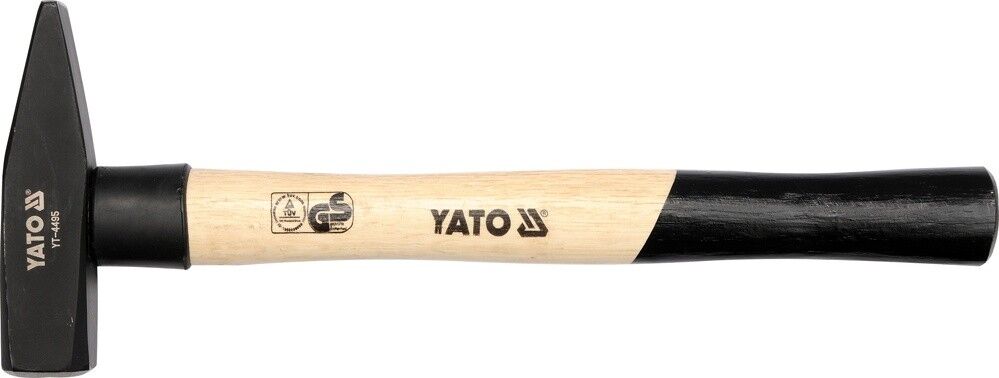
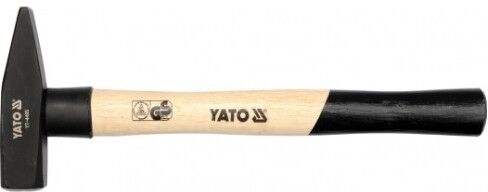
Products related to TOPEX-02A403-Machinist-Hammer:
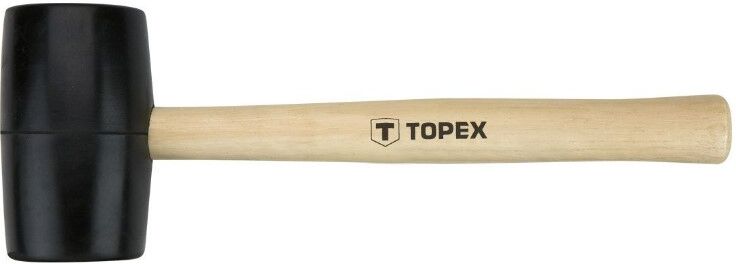


-
What weaknesses does a machinist have?
One weakness that a machinist may have is the potential for physical strain and injury due to the repetitive and precise nature of their work. Another weakness could be a lack of creativity or innovation in problem-solving, as machinists often follow set procedures and guidelines. Additionally, machinists may struggle with adapting to new technologies or software if they are not continuously updating their skills and knowledge in the field. **
-
Does the machinist need Swiss recognition?
Yes, having Swiss recognition as a machinist can be beneficial as Switzerland is known for its high-quality precision manufacturing industry. Swiss recognition can enhance the machinist's credibility and open up opportunities for working with Swiss companies or in industries that value Swiss precision and expertise. Additionally, Swiss recognition may also lead to higher job prospects and potentially better salary opportunities for the machinist. **
-
Did the machinist fail the exam?
Yes, the machinist failed the exam. **
-
What grades does a machinist need?
To become a machinist, typically a high school diploma or equivalent is required. Some employers may prefer candidates with additional education or training in machining or a related field, such as a certificate or associate's degree. Machinists also need to have strong math and problem-solving skills, as well as the ability to read and interpret technical drawings and blueprints. Additionally, machinists may benefit from on-the-job training or apprenticeships to further develop their skills and knowledge in the field. **
How much does a machinist earn?
The salary of a machinist can vary depending on factors such as experience, location, and the specific industry they work in. On average, a machinist in the United States can earn between $35,000 to $60,000 per year. However, highly skilled and experienced machinists may earn more, especially if they work in industries such as aerospace or automotive manufacturing. Additionally, machinists who work in unionized environments may also have higher earning potential. **
Does the machinist have a good future?
Yes, the machinist profession has a good future as there is a growing demand for skilled machinists in various industries such as manufacturing, aerospace, automotive, and more. With advancements in technology, machinists who are proficient in operating and programming computer numerical control (CNC) machines are especially sought after. Additionally, as older machinists retire, there will be opportunities for new machinists to enter the field and advance their careers. Overall, the machinist profession offers a stable and promising future for those interested in this skilled trade. **
Top-Angebote
Products related to TOPEX-02A403-Machinist-Hammer:
-
Does it belong more to rhythm, melody, and harmony?
The concept of harmony is most closely related to the interaction of different notes and chords in music. Harmony refers to the simultaneous sounding of different pitches to create a pleasing sound. While rhythm and melody are also important elements in music, harmony specifically deals with the vertical aspect of music, focusing on how notes and chords interact with each other. Therefore, harmony belongs more to the realm of harmony itself. **
-
What is the difference between rhythm, melody, and harmony?
Rhythm refers to the pattern of sounds and silences in music, creating a sense of movement and pulse. Melody is the sequence of musical notes that are perceived as a single entity, often the most recognizable and memorable part of a song. Harmony involves the combination of different musical notes played or sung simultaneously, creating a pleasing sound. While rhythm provides the framework for the timing of music, melody is the main tune, and harmony adds depth and richness to the overall sound. **
-
What weaknesses does a machinist have?
One weakness that a machinist may have is the potential for physical strain and injury due to the repetitive and precise nature of their work. Another weakness could be a lack of creativity or innovation in problem-solving, as machinists often follow set procedures and guidelines. Additionally, machinists may struggle with adapting to new technologies or software if they are not continuously updating their skills and knowledge in the field. **
-
Does the machinist need Swiss recognition?
Yes, having Swiss recognition as a machinist can be beneficial as Switzerland is known for its high-quality precision manufacturing industry. Swiss recognition can enhance the machinist's credibility and open up opportunities for working with Swiss companies or in industries that value Swiss precision and expertise. Additionally, Swiss recognition may also lead to higher job prospects and potentially better salary opportunities for the machinist. **
Similar search terms for TOPEX-02A403-Machinist-Hammer
-
Did the machinist fail the exam?
Yes, the machinist failed the exam. **
-
What grades does a machinist need?
To become a machinist, typically a high school diploma or equivalent is required. Some employers may prefer candidates with additional education or training in machining or a related field, such as a certificate or associate's degree. Machinists also need to have strong math and problem-solving skills, as well as the ability to read and interpret technical drawings and blueprints. Additionally, machinists may benefit from on-the-job training or apprenticeships to further develop their skills and knowledge in the field. **
-
How much does a machinist earn?
The salary of a machinist can vary depending on factors such as experience, location, and the specific industry they work in. On average, a machinist in the United States can earn between $35,000 to $60,000 per year. However, highly skilled and experienced machinists may earn more, especially if they work in industries such as aerospace or automotive manufacturing. Additionally, machinists who work in unionized environments may also have higher earning potential. **
-
Does the machinist have a good future?
Yes, the machinist profession has a good future as there is a growing demand for skilled machinists in various industries such as manufacturing, aerospace, automotive, and more. With advancements in technology, machinists who are proficient in operating and programming computer numerical control (CNC) machines are especially sought after. Additionally, as older machinists retire, there will be opportunities for new machinists to enter the field and advance their careers. Overall, the machinist profession offers a stable and promising future for those interested in this skilled trade. **
* All prices are inclusive of VAT and, if applicable, plus shipping costs. The offer information is based on the details provided by the respective shop and is updated through automated processes. Real-time updates do not occur, so deviations can occur in individual cases. ** Note: Parts of this content were created by AI.