Buy pureaudio.eu ?
We are moving the project
pureaudio.eu .
Are you interested in purchasing the domain
pureaudio.eu ?
domain@kv-gmbh.de · 0541-91531010
Buy pureaudio.eu ?
Does it belong more to rhythm, melody, and harmony?
The concept of harmony is most closely related to the interaction of different notes and chords in music. Harmony refers to the simultaneous sounding of different pitches to create a pleasing sound. While rhythm and melody are also important elements in music, harmony specifically deals with the vertical aspect of music, focusing on how notes and chords interact with each other. Therefore, harmony belongs more to the realm of harmony itself. **
What is the difference between rhythm, melody, and harmony?
Rhythm refers to the pattern of sounds and silences in music, creating a sense of movement and pulse. Melody is the sequence of musical notes that are perceived as a single entity, often the most recognizable and memorable part of a song. Harmony involves the combination of different musical notes played or sung simultaneously, creating a pleasing sound. While rhythm provides the framework for the timing of music, melody is the main tune, and harmony adds depth and richness to the overall sound. **

Similar search terms for OE-Germany-800338-Differential
Top-Angebote
Products related to OE-Germany-800338-Differential:
-
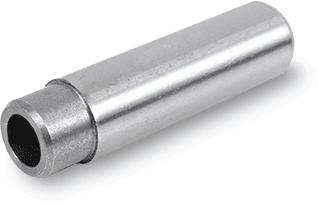
OE Germany 02 0122 280002 Valve GuidesFitting Position: Intake Side, Exhaust Side; Length [mm]: 66; Bore Diameter [mm]: 9; Material: Grey Cast Iron with high phosphorus content; Outer Diameter [mm]: 15,05; Valve Type: for exhaust valves, for inlet valves6,59 £*Shipping: 8,45 £Secure redirect to the provider
-
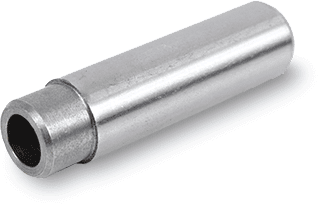
OE Germany 03 0122 D12A00 Valve GuidesFitting Position: Intake Side, Exhaust Side; Length [mm]: 83; Bore Diameter [mm]: 8,01; Material: Grey Cast Iron with high phosphorus content; Outer Diameter [mm]: 15; Valve Type: for exhaust valves, for inlet valves5,99 £*Shipping: 8,45 £Secure redirect to the provider



-
How do you write oe together?
To write "oe" together, simply place the two letters side by side with no space in between. This combination of letters is called a digraph, and it is often used in words borrowed from French or other languages. Examples of words with "oe" together include "toe," "foe," and "coexist." **
-
Why do we say "tschoe" with "oe"?
The pronunciation of "tschoe" with "oe" is likely due to the influence of the German language. In German, the combination "oe" is often used to represent the umlauted vowel sound /ø/. This sound is similar to the vowel sound in the English word "bird". Therefore, when saying "tschoe", the "oe" helps to accurately represent the correct pronunciation of the word. **
-
How do you spell "oe" in English?
In English, the letters "oe" are spelled as "o" and "e" separately. This combination of letters is not typically used as a single unit in English words. Instead, they are usually separated and pronounced individually. **
-
Why is Goethe never written with "oe"?
Goethe is never written with "oe" because it is the correct spelling of the German poet and writer's name. In German, the combination "oe" is used to represent the umlauted letter "ö". Goethe's name is spelled with the letter "o" followed by the letter "e", which is the correct way to write his name in both German and English. Therefore, it is important to use the correct spelling of his name to show respect for his legacy and contributions to literature. **

How do you say 'ue' and 'oe'?
In general, the combination 'ue' is pronounced like the 'oo' in "food" and the combination 'oe' is pronounced like the 'ay' in "say." However, it's important to note that pronunciation can vary depending on the language and specific word. It's always best to consult a language resource or native speaker for the most accurate pronunciation. **
What is differential calculus?
Differential calculus is a branch of mathematics that deals with the study of rates at which quantities change. It involves the concept of derivatives, which represent the rate of change of a function at a given point. Differential calculus is used to solve problems involving motion, optimization, and many other real-world applications where understanding how quantities change over time is important. It is a fundamental tool in mathematics and is essential in fields such as physics, engineering, economics, and biology. **
Top-Angebote
Products related to OE-Germany-800338-Differential:
-
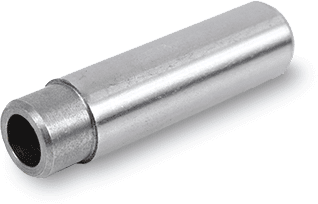
OE Germany 02 0122 280002 Valve GuidesFitting Position: Intake Side, Exhaust Side; Length [mm]: 66; Bore Diameter [mm]: 9; Material: Grey Cast Iron with high phosphorus content; Outer Diameter [mm]: 15,05; Valve Type: for exhaust valves, for inlet valves6,59 £*Shipping: 8,45 £Secure redirect to the provider
-
OE Germany 03 0122 D12A00 Valve GuidesFitting Position: Intake Side, Exhaust Side; Length [mm]: 83; Bore Diameter [mm]: 8,01; Material: Grey Cast Iron with high phosphorus content; Outer Diameter [mm]: 15; Valve Type: for exhaust valves, for inlet valves5,99 £*Shipping: 8,45 £Secure redirect to the provider
-
Does it belong more to rhythm, melody, and harmony?
The concept of harmony is most closely related to the interaction of different notes and chords in music. Harmony refers to the simultaneous sounding of different pitches to create a pleasing sound. While rhythm and melody are also important elements in music, harmony specifically deals with the vertical aspect of music, focusing on how notes and chords interact with each other. Therefore, harmony belongs more to the realm of harmony itself. **
-
What is the difference between rhythm, melody, and harmony?
Rhythm refers to the pattern of sounds and silences in music, creating a sense of movement and pulse. Melody is the sequence of musical notes that are perceived as a single entity, often the most recognizable and memorable part of a song. Harmony involves the combination of different musical notes played or sung simultaneously, creating a pleasing sound. While rhythm provides the framework for the timing of music, melody is the main tune, and harmony adds depth and richness to the overall sound. **
-
How do you write oe together?
To write "oe" together, simply place the two letters side by side with no space in between. This combination of letters is called a digraph, and it is often used in words borrowed from French or other languages. Examples of words with "oe" together include "toe," "foe," and "coexist." **
-
Why do we say "tschoe" with "oe"?
The pronunciation of "tschoe" with "oe" is likely due to the influence of the German language. In German, the combination "oe" is often used to represent the umlauted vowel sound /ø/. This sound is similar to the vowel sound in the English word "bird". Therefore, when saying "tschoe", the "oe" helps to accurately represent the correct pronunciation of the word. **
Similar search terms for OE-Germany-800338-Differential
-
How do you spell "oe" in English?
In English, the letters "oe" are spelled as "o" and "e" separately. This combination of letters is not typically used as a single unit in English words. Instead, they are usually separated and pronounced individually. **
-
Why is Goethe never written with "oe"?
Goethe is never written with "oe" because it is the correct spelling of the German poet and writer's name. In German, the combination "oe" is used to represent the umlauted letter "ö". Goethe's name is spelled with the letter "o" followed by the letter "e", which is the correct way to write his name in both German and English. Therefore, it is important to use the correct spelling of his name to show respect for his legacy and contributions to literature. **
-
How do you say 'ue' and 'oe'?
In general, the combination 'ue' is pronounced like the 'oo' in "food" and the combination 'oe' is pronounced like the 'ay' in "say." However, it's important to note that pronunciation can vary depending on the language and specific word. It's always best to consult a language resource or native speaker for the most accurate pronunciation. **
-
What is differential calculus?
Differential calculus is a branch of mathematics that deals with the study of rates at which quantities change. It involves the concept of derivatives, which represent the rate of change of a function at a given point. Differential calculus is used to solve problems involving motion, optimization, and many other real-world applications where understanding how quantities change over time is important. It is a fundamental tool in mathematics and is essential in fields such as physics, engineering, economics, and biology. **
* All prices are inclusive of VAT and, if applicable, plus shipping costs. The offer information is based on the details provided by the respective shop and is updated through automated processes. Real-time updates do not occur, so deviations can occur in individual cases. ** Note: Parts of this content were created by AI.